
Last updated October 16, 2026
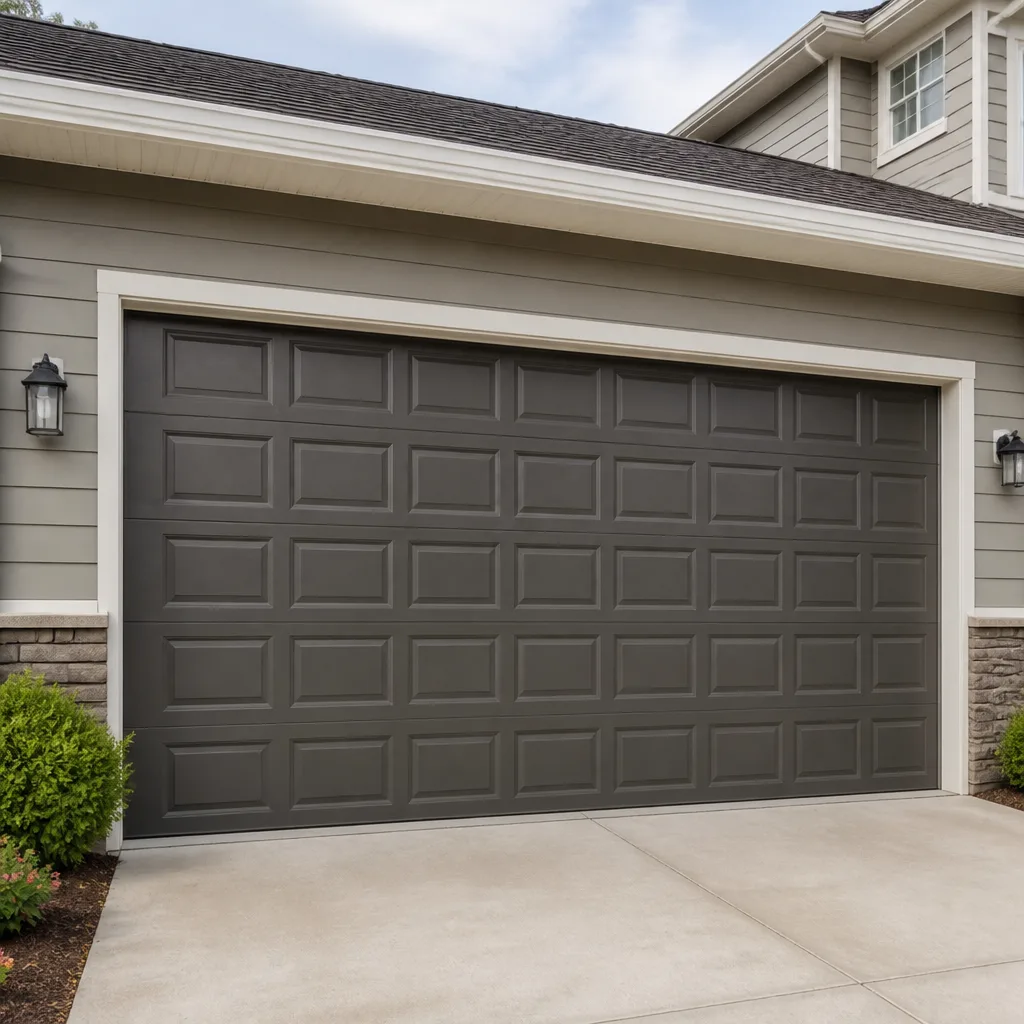 Raised-panel steel
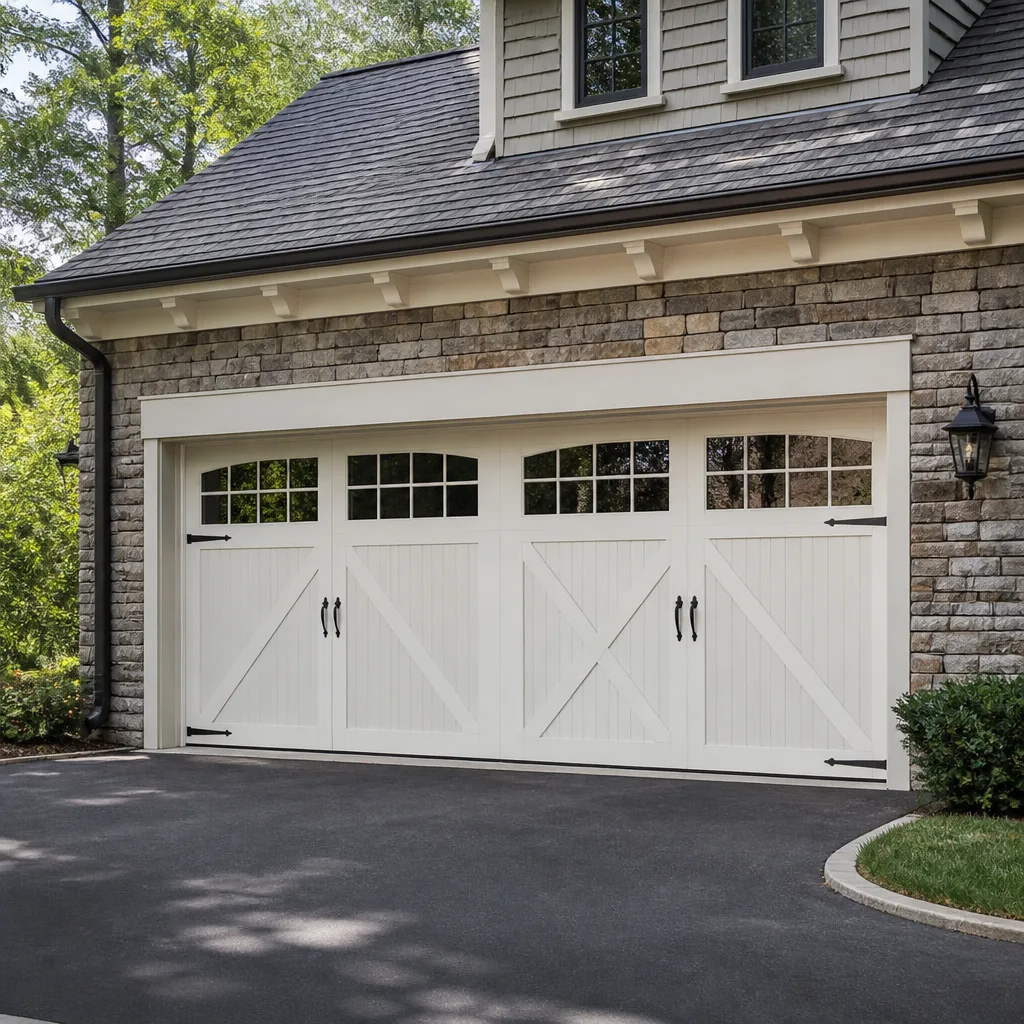 Carriage house
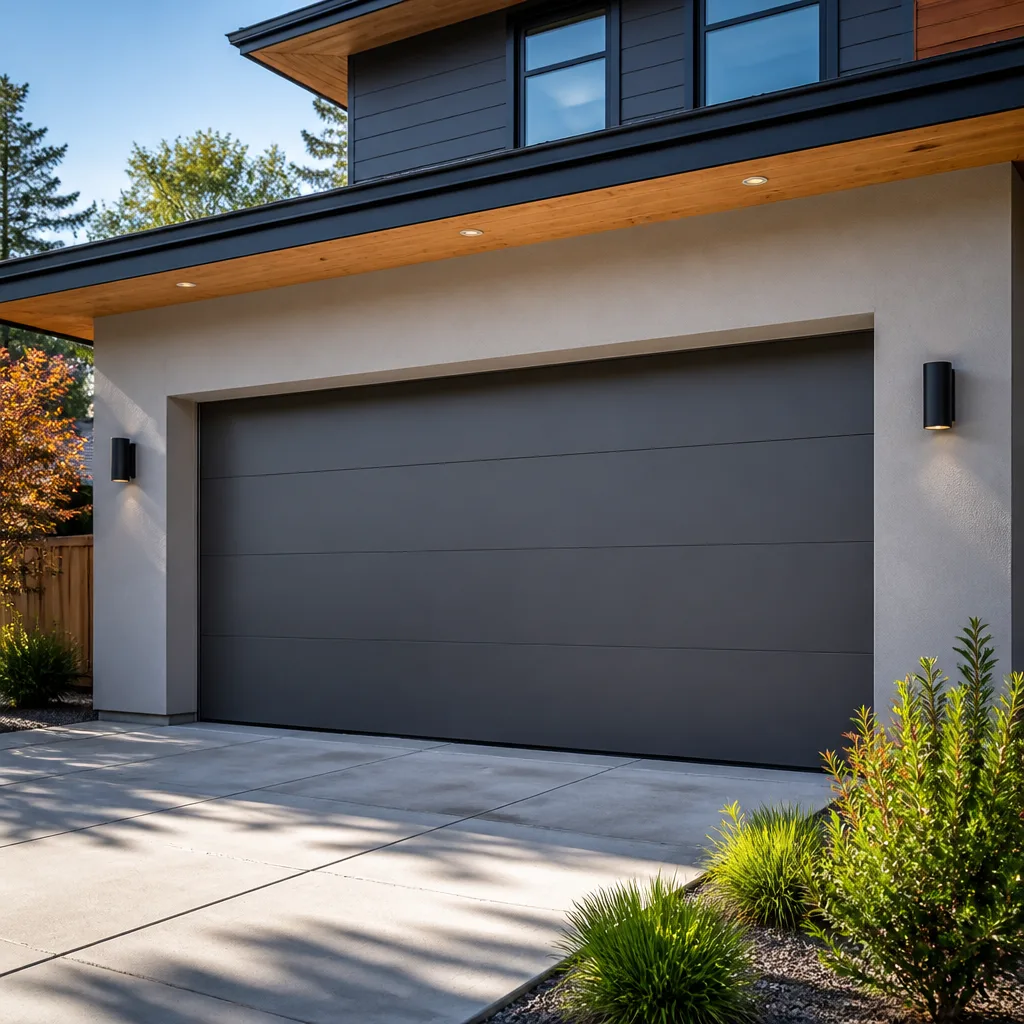 Modern flush
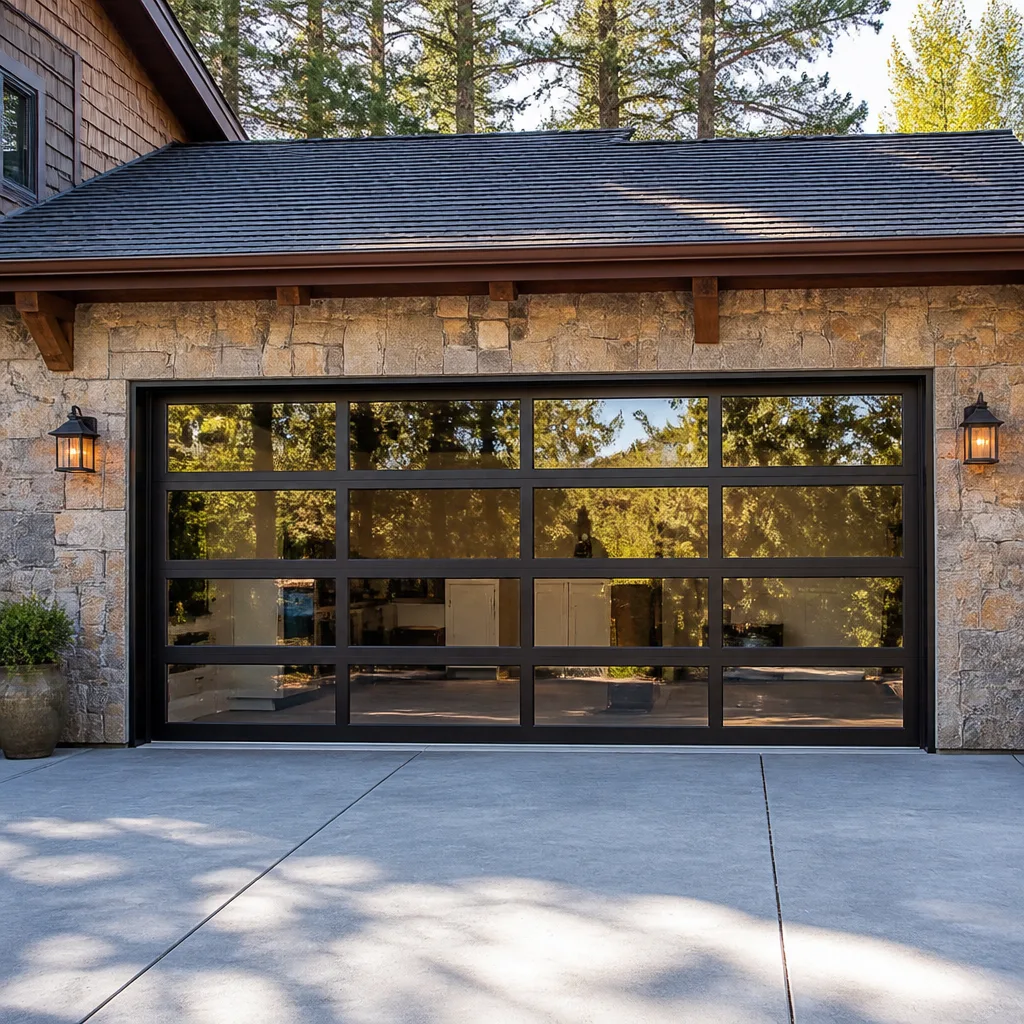 Full-view glass
 LiftMaster openers
 Chamberlain openers
Full 25-point door and opener safety check with every visit - springs, cables, rollers, tracks, and your LiftMaster or Chamberlain opener included
You get a price before we start. It does not change when the truck arrives.
Get your free estimateSeasonal Garage Door Care for Marietta: Year-Round Homeowner’s Guide
Most garage door manuals come with a lubrication schedule written for a northern climate, where summers are dry and winters are bitter. In Marietta’s humidity, that same schedule can actually trap moisture against metal components, accelerating the rust it was supposed to prevent. This guide is built specifically for Marietta’s four seasons as they actually behave: a short but real freeze window, an aggressive pollen season, long humid summers, and a fall that demands preparation. You’ll learn a month-by-month task calendar tied to local climate events, which products actually work here, and what to do the night before a hard freeze. Aaron Teague and our team at Doyle Garage Doors Marietta home have worked on doors across Cobb County since 2001, and the advice below comes from what we see in driveways and garages every single week.
Styles & brands we work with
Quick Answer
Seasonal garage door care in Marietta means adjusting your maintenance calendar to local patterns: lubricate with silicone-based products in spring and fall, inspect the bottom seal before the first freeze window (typically December through February), and check metal components for surface rust during summer humidity peaks. A consistent seasonal routine takes about 90 minutes per year and prevents most repair calls we see. Most homeowners can handle lubrication and visual checks themselves, while spring and cable work should always go to a trained professional.
Table of Contents
- Why Marietta’s Climate Demands a Different Seasonal Calendar
- The Marietta Month-by-Month Maintenance Calendar
- Lubrication in Marietta: Why Silicone Beats Lithium Grease Here
- The Freeze Window: Preparing Your Door for Georgia’s 5 – 15 Cold Days
- Summer Heat and Humidity: Managing Metal Expansion and Moisture
- The Fall Pre-Winter Inspection: Three Components That Fail First
- Common Mistakes to Avoid
- When to Call a Professional
- Frequently Asked Questions
- The Bottom Line
Why Marietta’s Climate Demands a Different Seasonal Calendar
National garage door guides tend to assume four equal seasons with a hard winter. Marietta doesn’t work that way. We get roughly 200 days a year above 70°F, a spring pollen season that coats every exposed surface, and a winter that usually brings only 5 to 15 days of freezing temperatures, but those days arrive in clusters that catch homeowners off guard. The real threats here are not what most generic guides warn about. They are moisture trapped against metal, pollen gumming up roller tracks, and a freeze-thaw cycle that stresses seals and brackets in a way that continuous cold never does. Understanding this local pattern changes what you should do and when. A homeowner in Austell or Powder Springs faces the same humidity as someone in East Cobb, but the tree cover and drainage around your specific garage will shift how quickly moisture builds up. In our experience across Marietta neighborhoods, doors that sit in shaded lots near creeks, think parts of East Cobb or along Sope Creek, need more frequent rust checks than doors on exposed, sunny lots.
Ambient humidity in Marietta averages 68 to 72 percent year-round. That number matters because steel components begin to show surface corrosion at sustained humidity above 60 percent, especially when salt, pollen, or dust sits on the surface. Your garage door hardware does not need to get rained on to rust. It needs humid air and time. That’s the core reason this guide exists, alongside our Garage Door Cost Breakdown for Marietta Homeowners: the right task at the right month prevents what we see on repair calls in March and September, when rust and pollen damage surface all at once.
The Marietta Month-by-Month Maintenance Calendar
Instead of generic quarterly buckets, use calendar months tied to what actually happens in Marietta’s climate. Here is the schedule we recommend to homeowners, refined from years of Garage Door Repair in Marietta work.
January and February: Freeze Watch Months
- Check the bottom rubber seal, called the astragal, for stiffness or cracks every two weeks. When temps drop below 25°F, hardened rubber loses flexibility and can freeze to the concrete slab.
- Lift the door manually once a month using the emergency release cord, the red handle hanging from the opener rail, to confirm the door moves without binding. Cold contracts metal slightly, and a door that’s fine in October can bind in January.
- Keep the track, the vertical metal guide on each side, free of ice. Don’t pour hot water on a frozen track; it can warp the metal. Use a rubber mallet gently on the bottom seal if it’s stuck to the slab, or wait for the sun to hit the door.
- Watch for rust spots forming at the bottom corners of steel panels, where road salt from tires gets kicked up. Wipe those areas dry after a freeze event.
March and April: Pollen Season
- Blow out the tracks and the opener rail, the horizontal metal bar above the door where the trolley carriage slides, with a leaf blower or compressed air. Pine and oak pollen in Cobb County is thick enough to gum up roller bearings by mid-April.
- Wipe down the photoelectric sensors, the two small units near the floor on each side of the opening, with a dry microfiber cloth. Pollen film on a sensor lens causes the door to reverse for no visible reason.
- Lubricate rollers, hinges, and the torsion spring, the large coil mounted above the door that does most of the lifting, with a silicone-based spray, not lithium grease. More on that below.
- Inspect weather stripping on the sides and top of the opening for gaps. Pollen and humidity both enter through those gaps and settle on your car and stored items.
May through August: Humidity and Heat
- Check all exposed steel hardware for surface rust once a month. Focus on hinge plates, track brackets, and the bottom panel interior face. Wipe any orange dust with a dry rag, then apply a thin coat of silicone lubricant as a moisture barrier.
- Test the auto-reverse function weekly. Place a 2×4 flat on the ground under the door and close it. If the door does not reverse within two seconds of contact, pull the emergency release handle and call a professional. Summer humidity can cause the opener’s down-force setting to drift.
- Inspect wooden door panels for swelling at the bottom edge. Marietta’s summer humidity can add half an inch to an unsealed wooden panel, which changes the door’s balance and puts strain on the opener.
- Listen for a grinding noise when the door opens. That sound usually means a roller bearing has worn out. Replacement is inexpensive and prevents a track-wear problem that costs far more later.
September and October: Post-Summer Recovery and Pre-Winter Prep
- Deep-clean the tracks with a dry rag and a non-corrosive cleaner. Do not use WD-40 on tracks; it leaves a residue that collects dust. The tracks are meant to be dry.
- Check the torsion spring for separation or gaps in the coil. A spring that looks stretched or has a visible gap between coils is near failure. This is a high-tension component and should only be handled by a trained professional.
- Schedule a professional inspection if you haven’t had one in two years. Most manufacturers recommend annual inspections, but a two-year cadence catches most developing failures before they become a door that won’t open on a cold morning.
- Inspect the bottom seal for flat spots, cracks, or tears, and replace it if any damage is visible at the corners. This is the single most important task before winter in Marietta.
November and December: Freeze Readiness
- Apply a thin coat of silicone lubricant to the bottom seal itself. This helps prevent the rubber from bonding to a wet slab when temperatures drop overnight.
- Check the opener’s battery backup if your LiftMaster or Chamberlain unit has one. Power outages during Georgia ice events are routine, and a backup battery is worthless if it’s dead.
- Test the door balance by pulling the emergency release and lifting the door manually. It should lift halfway and stay in place. If it drops, the springs are tired and need adjustment before cold temperatures make metal more brittle.
- Clear the area around the base of the door after any rain or wet snow. Standing water that freezes at the door’s base is the most common cause of a stuck door on a cold Marietta morning.
Lubrication in Marietta: Why Silicone Beats Lithium Grease Here
Here’s the counterintuitive part of Marietta-specific care: the white lithium grease many manuals recommend is the wrong choice in this climate. Lithium grease is petroleum-based and thick. It sits on a surface as a film. In a dry climate, that film is a useful barrier. In Marietta’s humidity, that same film traps ambient moisture against the metal underneath, and the grease itself holds fine dust and pollen, turning into an abrasive paste over the course of one pollen season. We have opened hundreds of garages in Marietta where the rollers were coated in a gray, gritty sludge that used to be lithium grease. The fix is usually a full roller replacement because the bearings have been sanded from inside.
Silicone-based lubricant, applied as a spray, dries to a thin, non-tacky film. It repels moisture rather than trapping it, does not attract dust, and remains stable from about -40°F to 400°F, which covers every temperature Marietta will ever see. Here is the application method we use and recommend:
- Use a silicone-based spray with a straw nozzle. Products designed for garage doors exist, but any pure silicone spray works.
- Apply to the torsion spring coils first, holding the straw a few inches away. You’re coating the metal, not soaking it.
- Spray each hinge pivot point, the point where two hinge plates meet, with one short burst. Wipe away excess with a dry rag.
- Lubricate each roller bearing, the small wheel inside the track, not the track itself. If you have sealed nylon rollers, one small drop of silicone at the bearing is enough.
- Run the door up and down twice to distribute the lubricant. Wipe any overspray from the door panels.
Frequency: twice a year in Marietta, once in March after pollen peaks and once in October before the freeze window. In our experience this matters more than the product itself. A perfect lubricant on a neglected door does nothing. A decent lubricant applied on schedule keeps a door running smoothly for years.
The Freeze Window: Preparing Your Door for Georgia’s 5 – 15 Cold Days
Marietta’s hard freezes are brief, but they cause a specific failure pattern we see every winter. The bottom seal, that rubber strip along the door’s lower edge, freezes to the concrete when rain or snowmelt sits under the door and temperatures drop below about 28°F. The opener strains against the frozen seal, and one of two things happens: either the opener’s force limiter trips and the door won’t open, or the seal tears away from the door’s bottom channel. Both leave you with a door that won’t move on a cold morning.
What to do the night before a hard freeze in Marietta:
- Check the forecast for a freeze warning, not just a frost advisory. Frost does not freeze standing water. A hard freeze does.
- Make sure no standing water sits under the door. If there is, sweep it away or dry it with a towel.
- Run a thin bead of silicone lubricant along the bottom seal’s underside. This light moisture barrier helps prevent ice from bonding the rubber to concrete.
- If the door is exposed to north wind, consider opening and closing it once before you go to bed, then leave it closed. A door that has cycled is less likely to stick than one that has sat sealed against a wet slab all night.
- In the morning, if the door hesitates or the opener strains, release the emergency cord immediately and lift the door manually. If it won’t lift, do not force it. Wait for the sun to hit the threshold, or use a rubber mallet gently along the bottom seal to break the ice bond. Never pour hot water on a frozen door or track.
After a freeze event, inspect the bottom seal for tears at the corners. A torn seal lets cold air, rainwater, and pests in, and in Marietta’s climate a gap of just a quarter inch at one corner means the door is no longer sealing well. Replacement seals are inexpensive, and the job is straightforward, but if the seal has torn and the door is also binding, that’s a sign the frozen seal pulled the panel slightly out of alignment. That’s when you call us for a professional adjustment rather than replacing the seal yourself and masking the real problem.
Summer Heat and Humidity: Managing Metal Expansion and Moisture
Steel expands when heated. That’s basic physics. What most Marietta homeowners don’t realize is how much expansion matters when your garage door sits in direct afternoon sun. A 16-foot-wide steel door can expand roughly 1/8 to 1/4 inch in 95°F+ heat compared to its dimensions on a 50°F day. Aluminum tracks expand too, but at a slightly different rate than the steel panels, which is where misalignment begins. The door doesn’t visibly warp; it just starts to grind faintly at the top of its travel, or hesitates halfway up, or makes a popping sound as the panels flex. None of these are failures yet. They are early warnings.
Humidity complicates the expansion problem. In a dry heat, metal expands and then returns to its original size when temperatures fall. In Marietta’s humid heat, the expansion is accompanied by moisture settling onto every surface. When the door cools at night, moisture that worked its way into hinge pins and track brackets stays there. Over a full summer, that cycle of heat-expansion-by-day and moisture-condensation-by-night is what turns a fine door into a noisy, binding one by September. We see the pattern most often on doors facing southwest without shade, which is a lot of homes in West Cobb.
What you can do during summer heat peaks:
- Run the door through a full cycle in the early morning, before the sun’s full heat, and listen for binding or grinding. A door that’s smooth at 7 a.m. and stiff at 4 p.m. is telling you the tracks are expanding unevenly.
- Keep the tracks clean of dust and pollen. Debris in the track compounds the dimensional changes from heat.
- If you have a wooden door, check the bottom panel for swelling each month. Swollen wood panels can also hide termite activity, which is common across Marietta’s wooded neighborhoods.
- Do not adjust track bolts yourself in response to summer stiffness. Track alignment requires a level, proper spacing, and a spring-released door. A small adjustment made in July heat can turn into a serious binding issue in January cold.
For most Marietta homeowners, summer heat means watching and listening more than doing. The primary interventions are cleaning, lubricating with silicone, and calling a professional when you hear noise that wasn’t there in spring. Make that call early. A $30 roller replacement in July prevents a $400 track and panel alignment repair in October.
The Fall Pre-Winter Inspection: Three Components That Fail First
Before the first freeze, take 30 minutes to inspect the three components that Georgia’s freeze-thaw cycling stresses most. These are the parts we replace more than any other in January and February, and all three can be caught before they fail.
1. The Bottom Seal (Astragal)
The astragal is the rubber strip along the bottom of your door. It compresses against the slab every time the door closes, and freeze-thaw cycles cause micro-tears that grow over the winter. Inspect the full length, running your hand along the seal’s underside and peeling back the corners to check for cracks. If the seal feels stiff or shows flat spots, replace it before December. A new seal costs between $15 and $40 for most doors and takes a professional about 20 minutes. The seal’s job is not just weather. In Marietta it’s also your first line of defense against rainwater intrusion, pests, and the freeze-sticking problem described earlier. A torn seal is a small problem until it freezes, and then it’s a stuck door and a possible opener failure.
2. Torsion Spring Tension
The torsion spring, the large coil above the door, stores the energy that lifts your door. Springs lose tension over time, and cold temperatures make the metal slightly more brittle, which means a spring that’s marginal in October can snap in January. Look for gaps between coils, a visible separation at the spring’s midpoint, or rust along the coil surface. Then perform a balance test: pull the emergency release handle and manually lift the door to waist height. It should stay put, not drift up or slam down. A door that won’t balance is telling you the spring is under-tensioned or worn. Adjusting or replacing a torsion spring is high-risk work involving stored kinetic energy. The spring can release suddenly and cause serious injury. We never recommend this as a DIY job. Call a trained professional. In Marietta, a torsion spring replacement typically runs $180 to $340 installed, depending on spring size and door weight.
3. Roller Brackets
Roller brackets hold the wheels that ride in your tracks. Georgia’s freeze-thaw cycles weaken the bolt holes where brackets attach to the door, especially on older steel doors. Loose brackets make the door rattle on opening, cause rollers to sit at a slight angle, and eventually pop off the track entirely, which leaves the door hanging by one side. Check each bracket with a wrench for tightness, look for rust around the attachment points, and replace any roller with a flat spot or noisy bearing. If a bracket has already come loose, have a professional realign it. A door off track is dangerous to operate and can fall if released at the wrong moment.
If any of these three components show problems, the honest answer is that fall is the time to call. Waiting until the January freeze hits means paying more, waiting longer, and possibly dealing with a door that won’t open on a morning when you need to get to work. If you’d rather not inspect yourself, we offer fall maintenance checks across Marietta, and Garage Door Installation in Marietta customers get a full inspection as part of every new door. Aaron Teague has been walking homeowners through these seasonal checks since 2001, and the advice above is exactly what we tell our own neighbors.
Common Mistakes to Avoid
- Using WD-40 on tracks or rollers. WD-40 is a water displacer, not a lubricant. It leaves a thin residue that collects Marietta’s pollen and humidity, turning into a grinding paste inside the tracks within one season.
- Following a national lubrication schedule. A schedule written for a dry northern climate will have you lubricating too often or at the wrong time for Marietta’s humidity. Lubricate with silicone in March and October; more frequent application is unnecessary and counterproductive here.
- Ignoring a noisy door. A grinding or popping sound in summer is not normal and not acceptable. It’s a roller bearing or track alignment issue warning you early. The longer you wait, the more expensive the repair becomes.
- Pouring hot water on a frozen door. In a hard freeze, leave the door closed and let the sun warm it naturally. Heat can warp tracks and damage the bottom seal, creating the very problem you’re trying to solve.
- Adjusting track bolts yourself. Track alignment looks simple, but the geometry matters. A track adjusted slightly inward or outward can cause the door to bind at a different point in its travel, putting strain on the opener and springs that takes months to show up.
- Skipping the fall visual seal check. The bottom seal is the most commonly failed component we see in January, and nearly every failure was visible as a crack in October. Five minutes of inspection saves a stuck door on a 15-degree morning.
- Testing the auto-reverse with a bucket. Some guides suggest using a full bucket to test opener reversal. The proper test uses a 2×4 laid flat, because a bucket’s shape doesn’t reliably trigger the reversing mechanism. Use a wooden block, or call a professional if you’re not sure the reverse function is working.
When to Call a Professional
Some seasonal tasks are safe for a homeowner: lubricating, cleaning, inspecting, testing the seal. Others are not. If your torsion spring is loose, snapped, or shows gaps between coils, stop and call a professional. The stored energy in a torsion spring is enough to cause severe injury if it releases while you’re working on it. If your door is off track, if a roller bracket has come loose from the panel, or if the door won’t stay balanced in manual mode, those are also professional jobs. He’s also the right call if you have a door that’s over 15 years old and has never had a spring replacement, because the window for a failure is narrower than it looks. Garage Door Opener Repair in Marietta issues like force-setting drift or sensor misalignment are also best left to someone with a torque gauge and the right training. Doyle Garage Doors Marietta offers free estimates across Marietta, covered by a written price before any work starts. Call (762) 209-3693 and a live person answers, day or night, weekend or holiday.
Frequently Asked Questions
A professional lubrication and inspection visit in Marietta typically runs $75 to $150, depending on the door’s age and the scope of the check. Parts like bottom seals or rollers add $15 to $80 per component. We quote a written price before any work begins, so there are no surprises on the invoice.
Yes, the lubrication, cleaning, and visual inspections described above are all homeowner-level tasks. The exceptions are anything involving the torsion spring, track realignment, or a door that’s off balance or off track. Those are dangerous and should only be handled by a trained professional.
Twice a year, once in March after pollen season peaks and once in October before the freeze window. More frequent lubrication traps humidity against metal components and attracts Georgia’s heavy pollen, doing more harm than good.
Silicone-based spray lubricant is the right choice for Marietta. It dries to a moisture-repelling film and doesn’t attract dust. Lithium grease, the product many national guides recommend, traps ambient humidity and pollen against metal parts and creates a grinding paste over time.
Water or condensation settles under the bottom seal, and when temperatures drop below freezing, the rubber seal freezes to the concrete slab. This is the most common winter failure we see in Marietta. Dry the threshold before a hard freeze and apply a thin coat of silicone to the seal’s underside to prevent the bond.
For doors over 10 years old, a professional inspection every one to two years catches seal tears, spring wear, and bracket loosening before they become emergencies. The inspection fee is small compared with the cost of a spring replacement or a door off track, and at Doyle Garage Doors Marietta the inspection includes a written report and a written price for any recommended work. Call (762) 209-3693 to schedule a free estimate.
The Bottom Line
Marietta’s garage doors fail differently than the national manuals assume. Humidity rusts from the inside of hardware. Pollen gums up rollers and sensors. Brief freezes stick seals to slabs. Heat expands steel and aluminum at different rates. The solution isn’t more effort or more expensive products. It’s the right schedule, tied to local weather, with twice-yearly silicone lubrication, a pre-freeze bottom seal check, a monthly summer rust watch, and a fall inspection of the spring, seal, and brackets. Aaron Teague and the team at Doyle Garage Doors Marietta have been caring for doors across Cobb County since 2001, and everything in this guide-along with more guides & resources on our blog-is what we tell our own neighbors. If you’d rather spend a Saturday doing literally anything else, call (762) 209-3693 for a free seasonal maintenance estimate. A real person answers. The price is in writing before any work begins.
Written by Aaron Teague, Owner at Doyle Garage Doors Marietta, serving Marietta since 2001.
See the difference
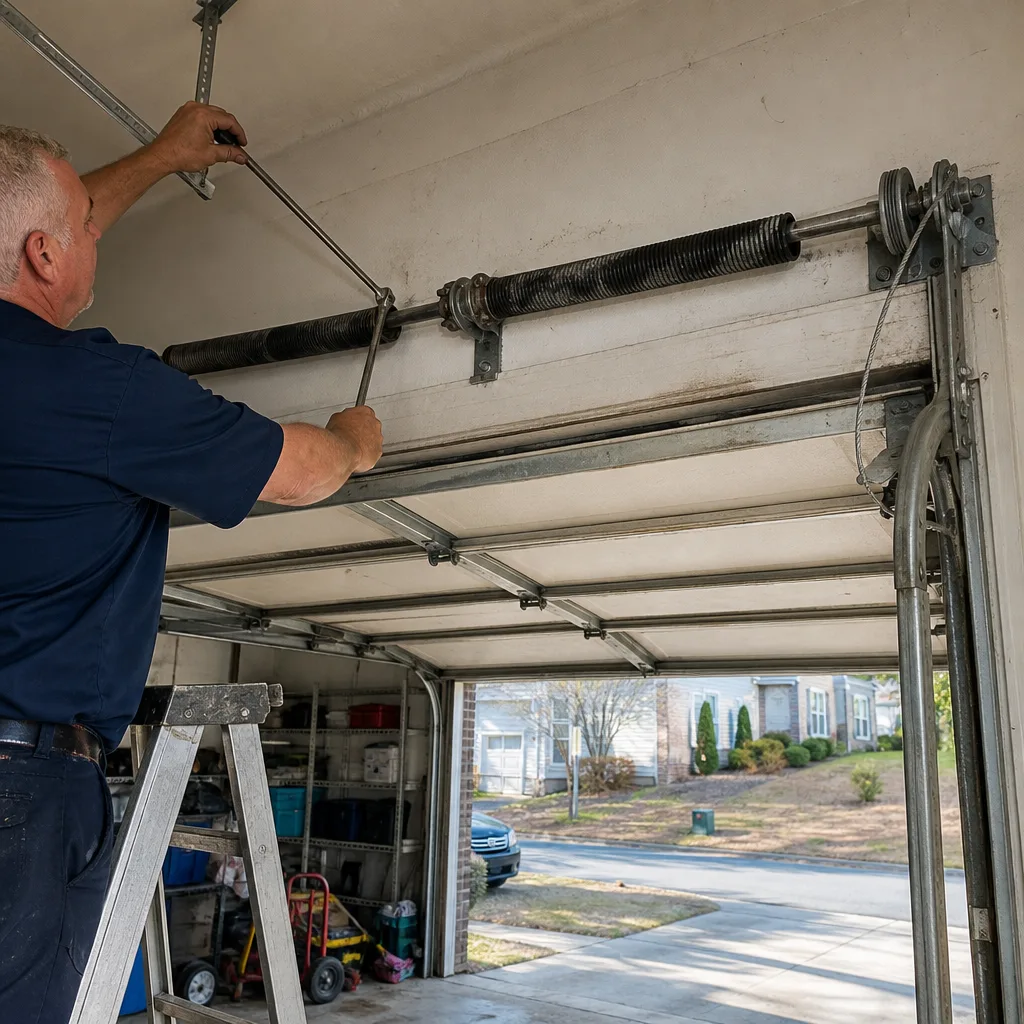 Before
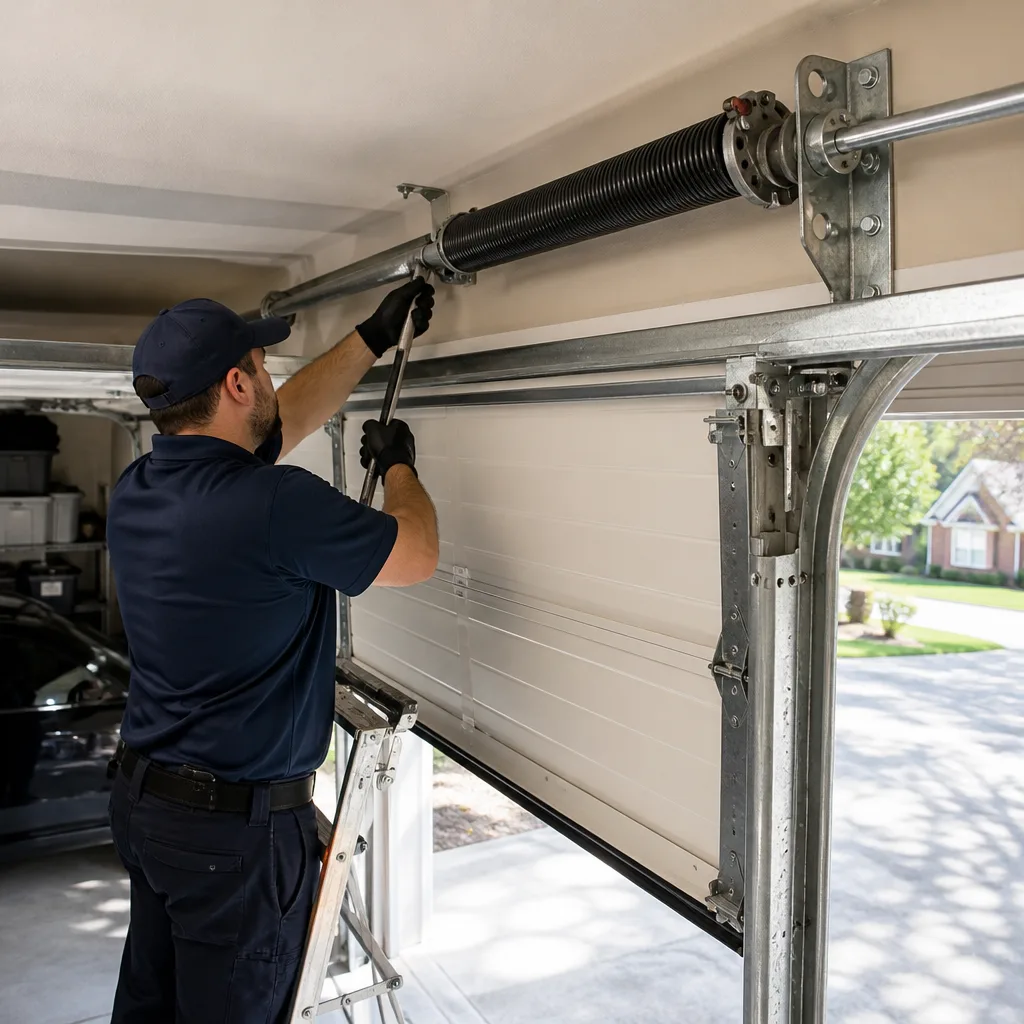 After
After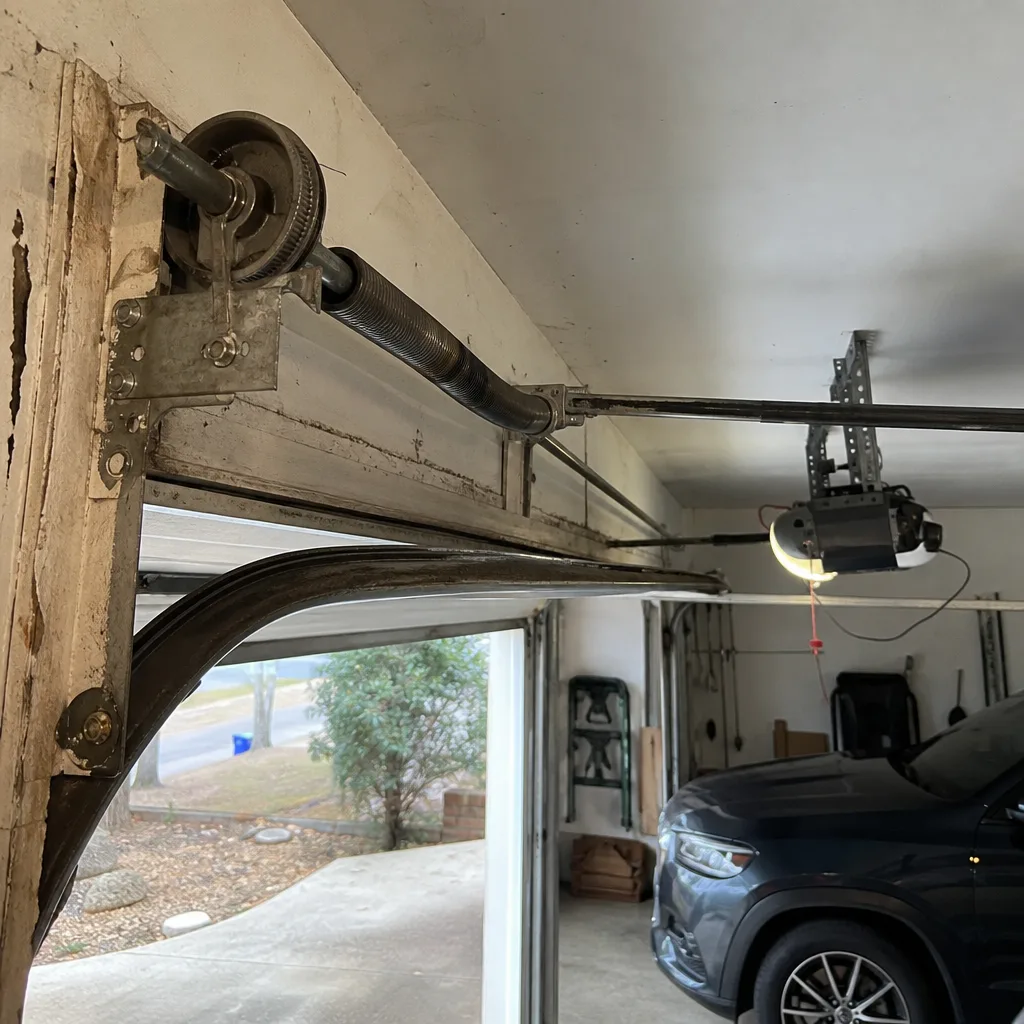 Before
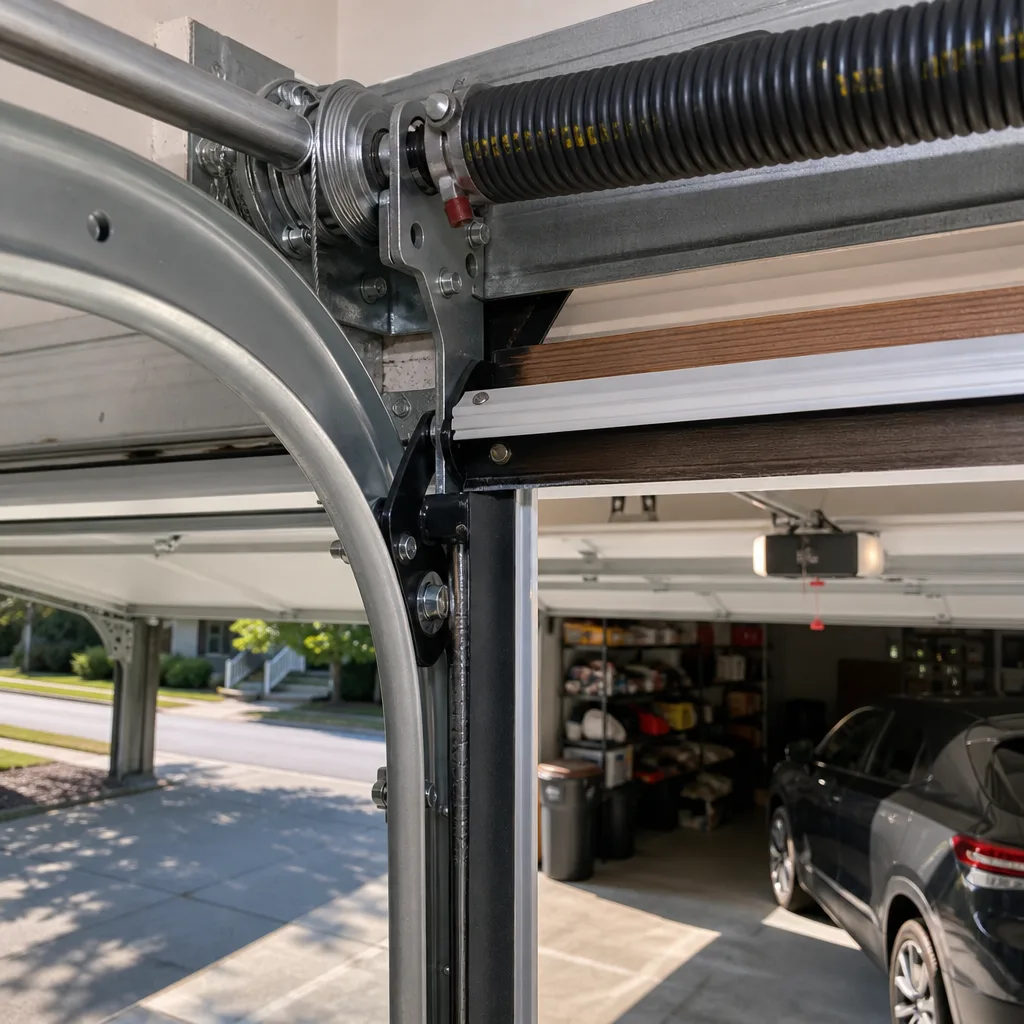 After
After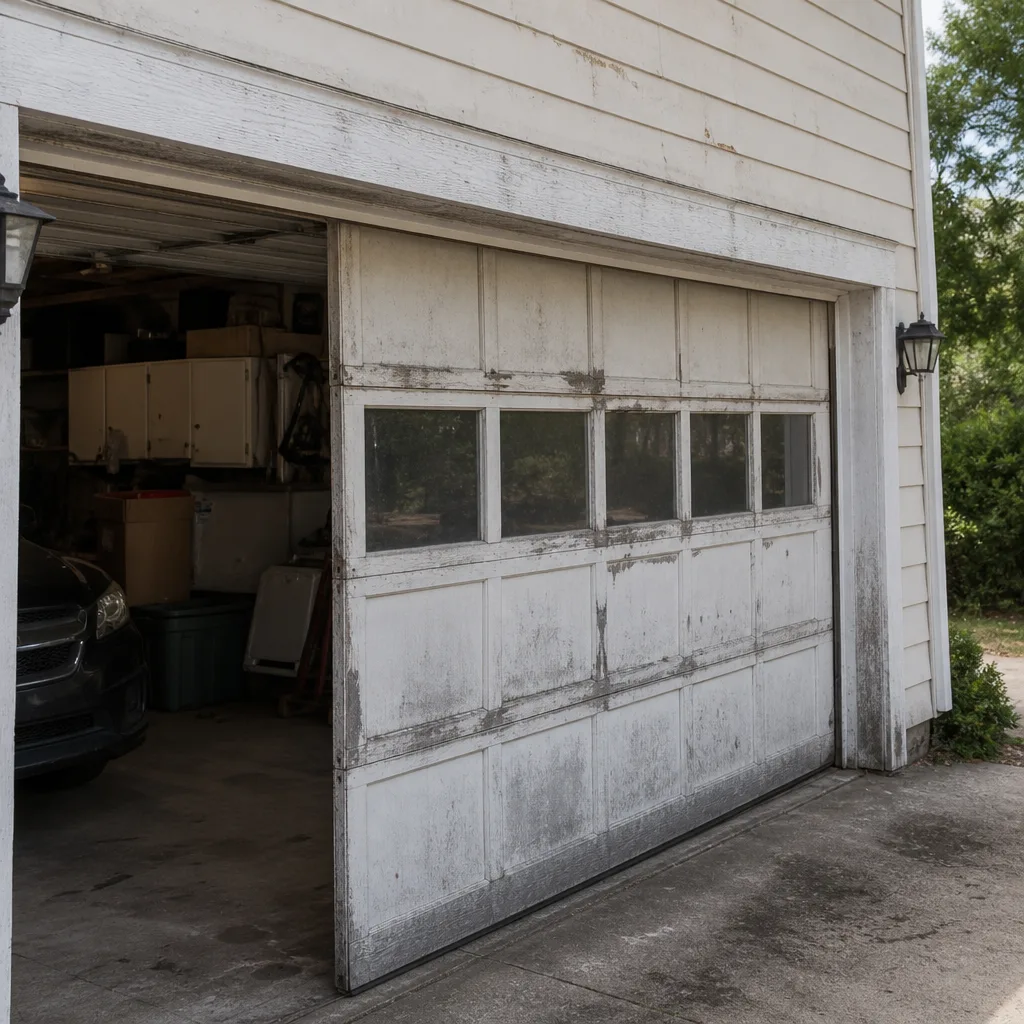 Before
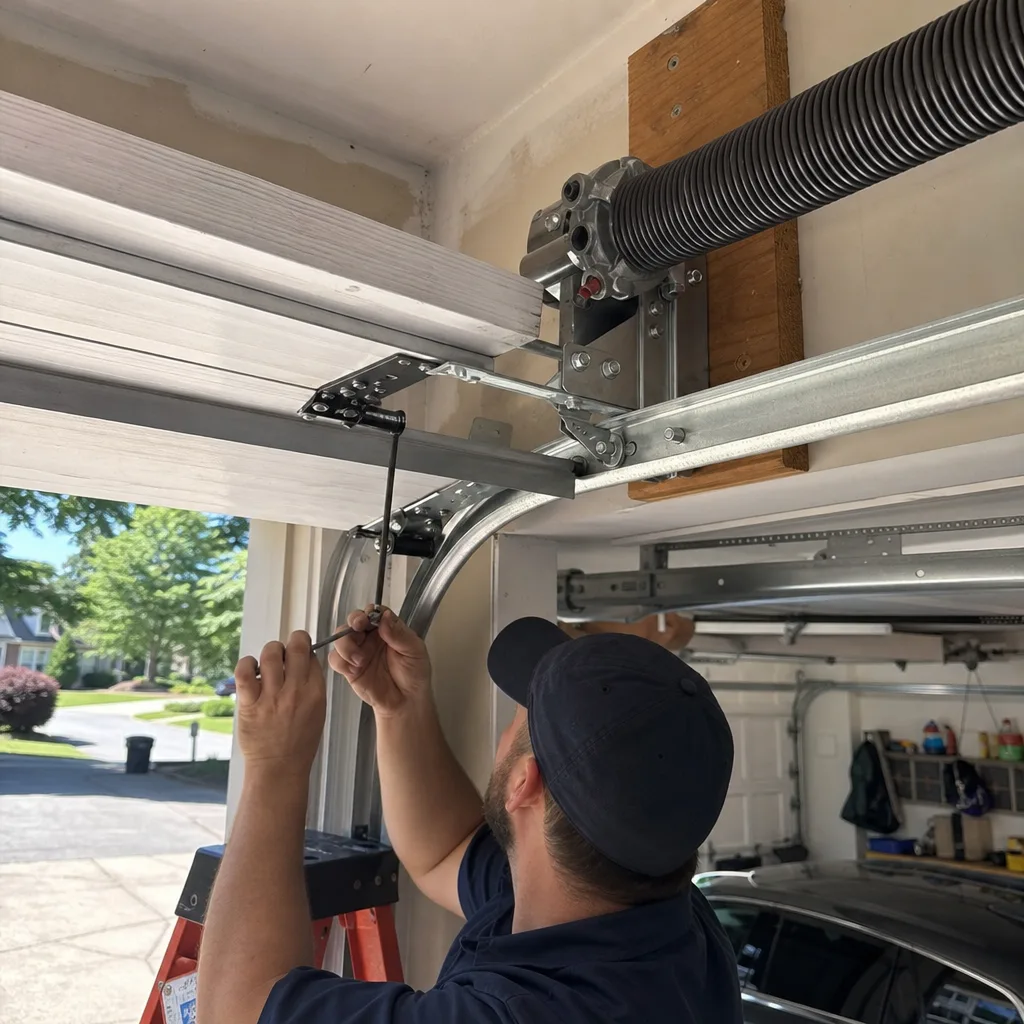 After
After