
Last updated October 16, 2026
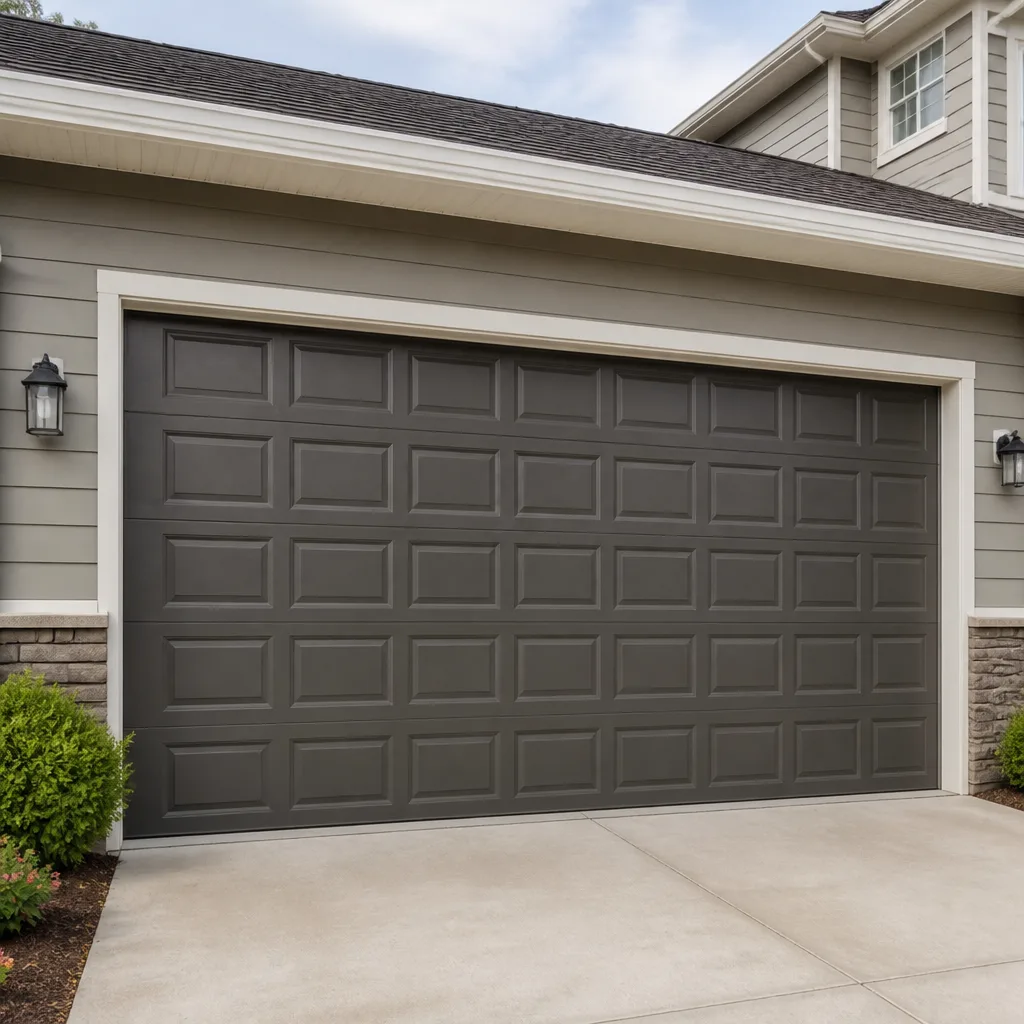 Raised-panel steel
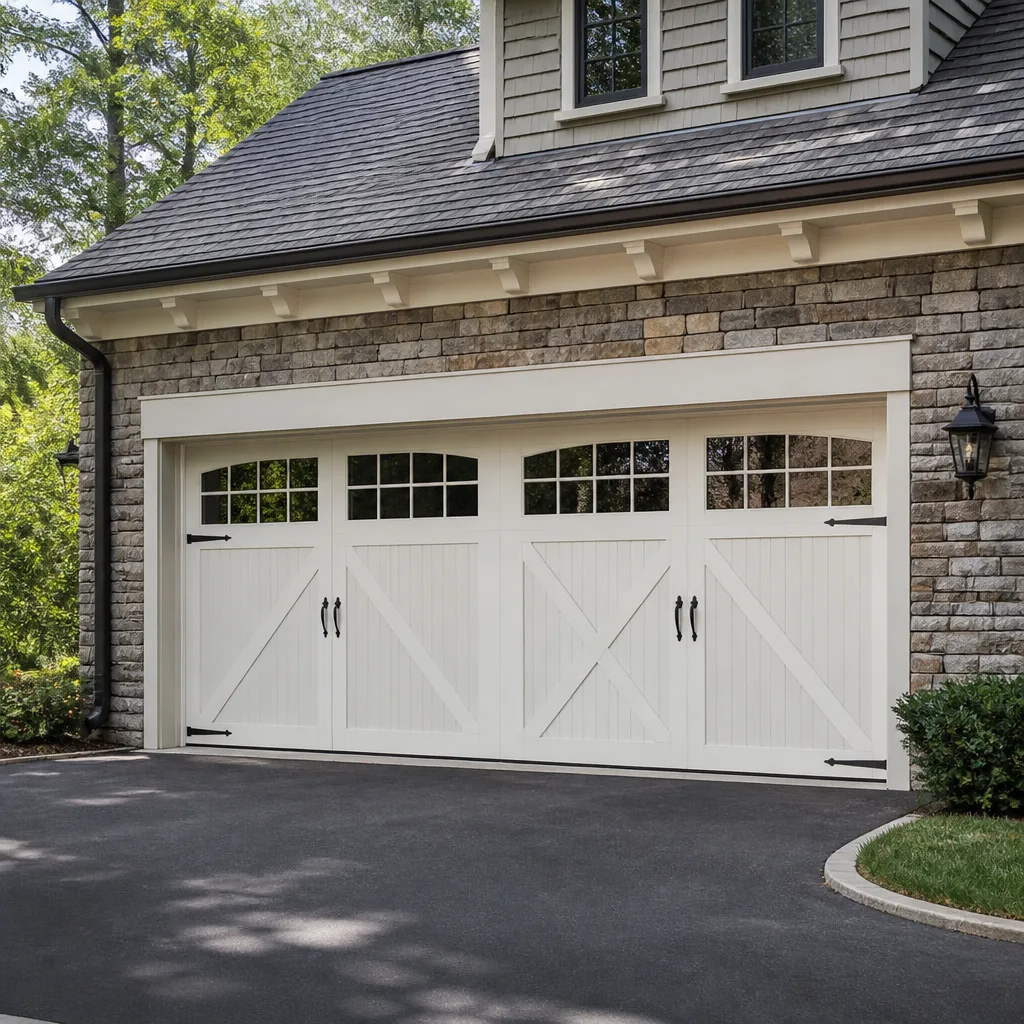 Carriage house
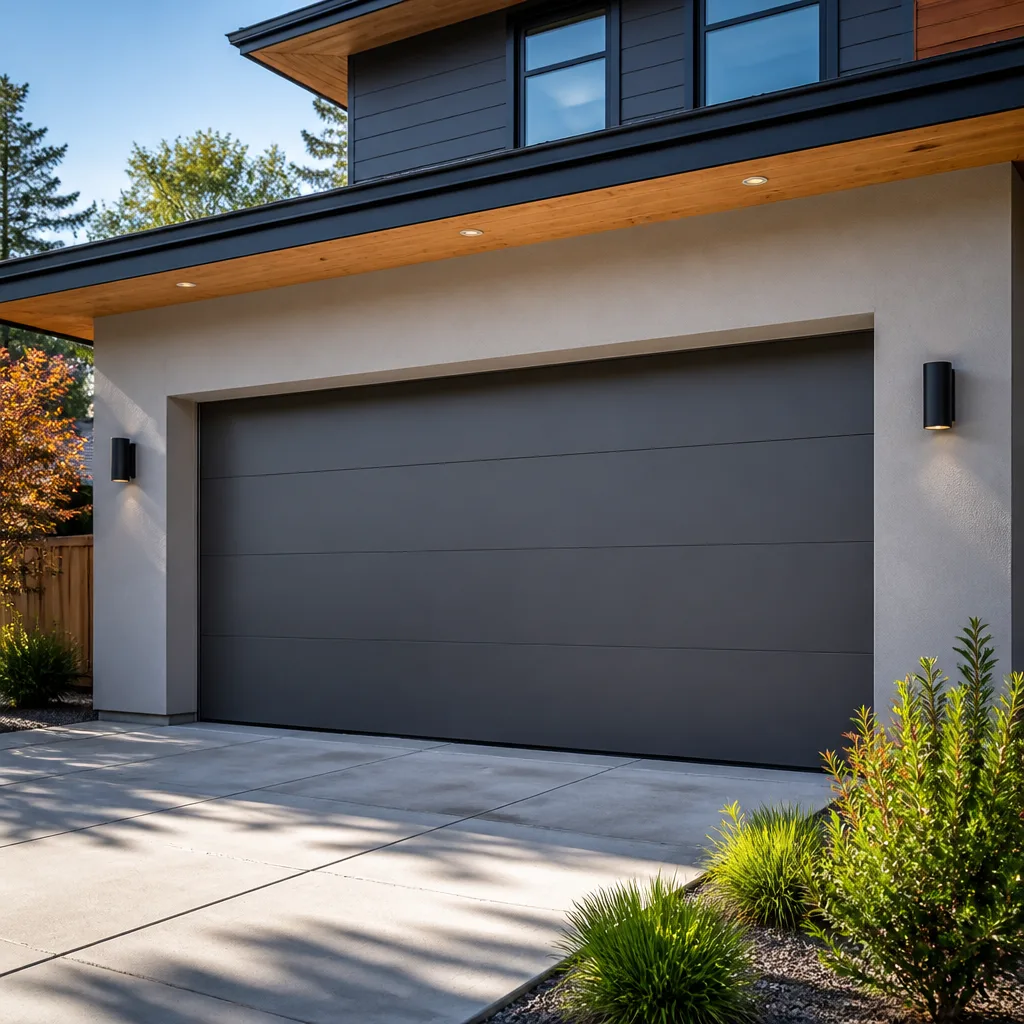 Modern flush
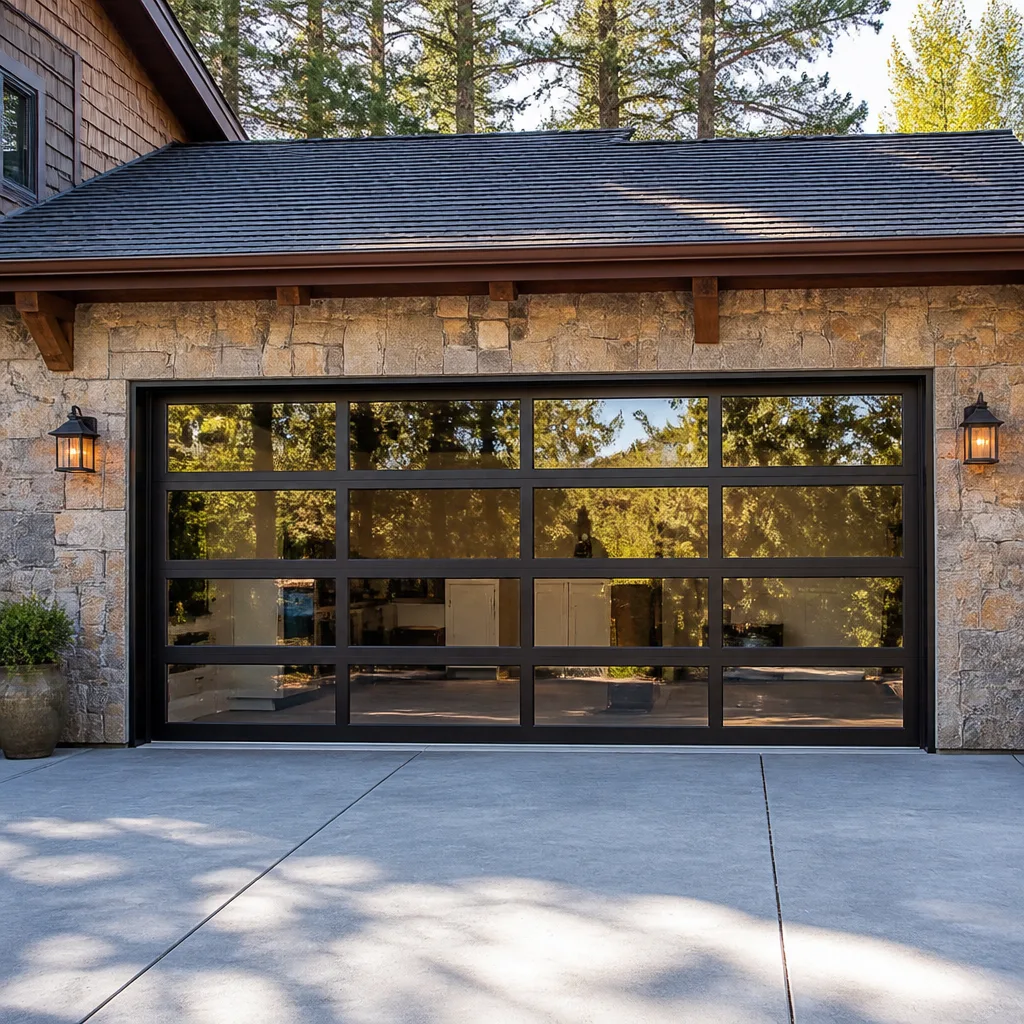 Full-view glass
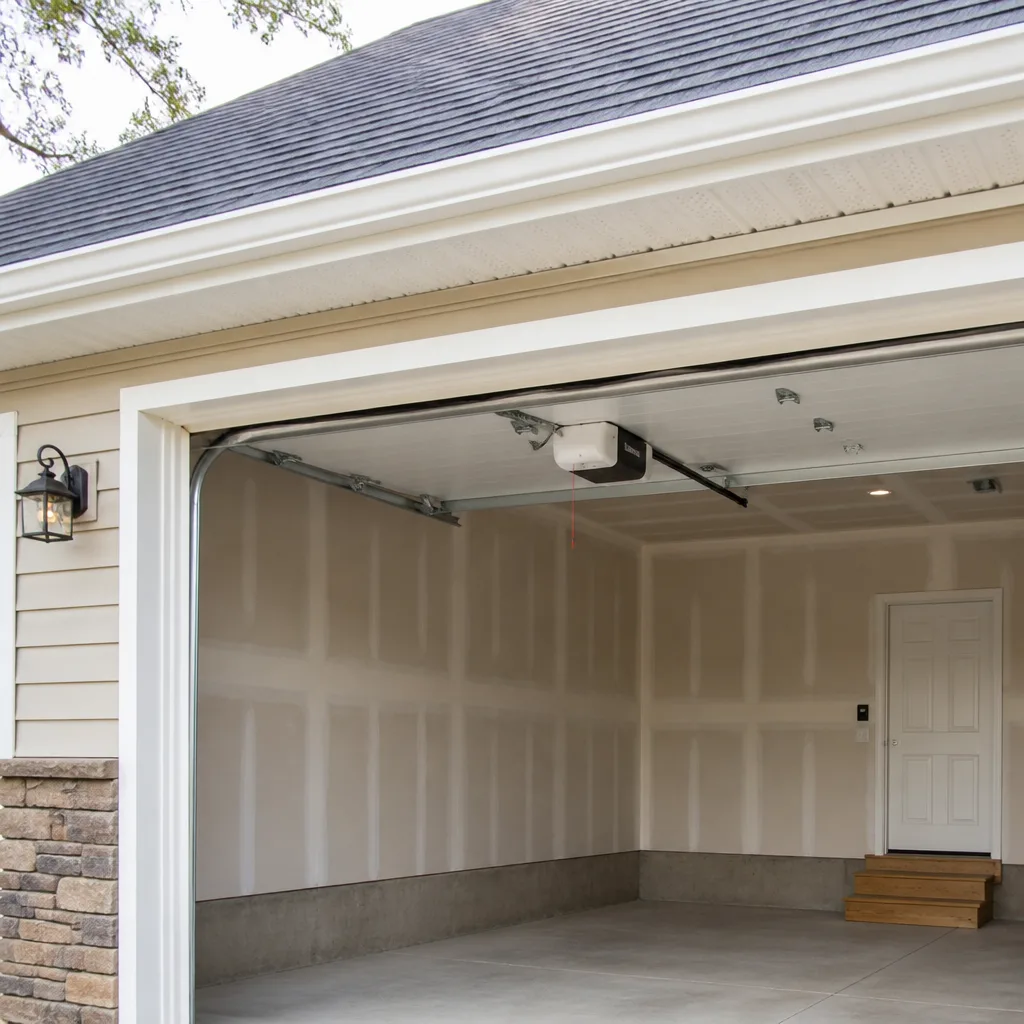 LiftMaster openers
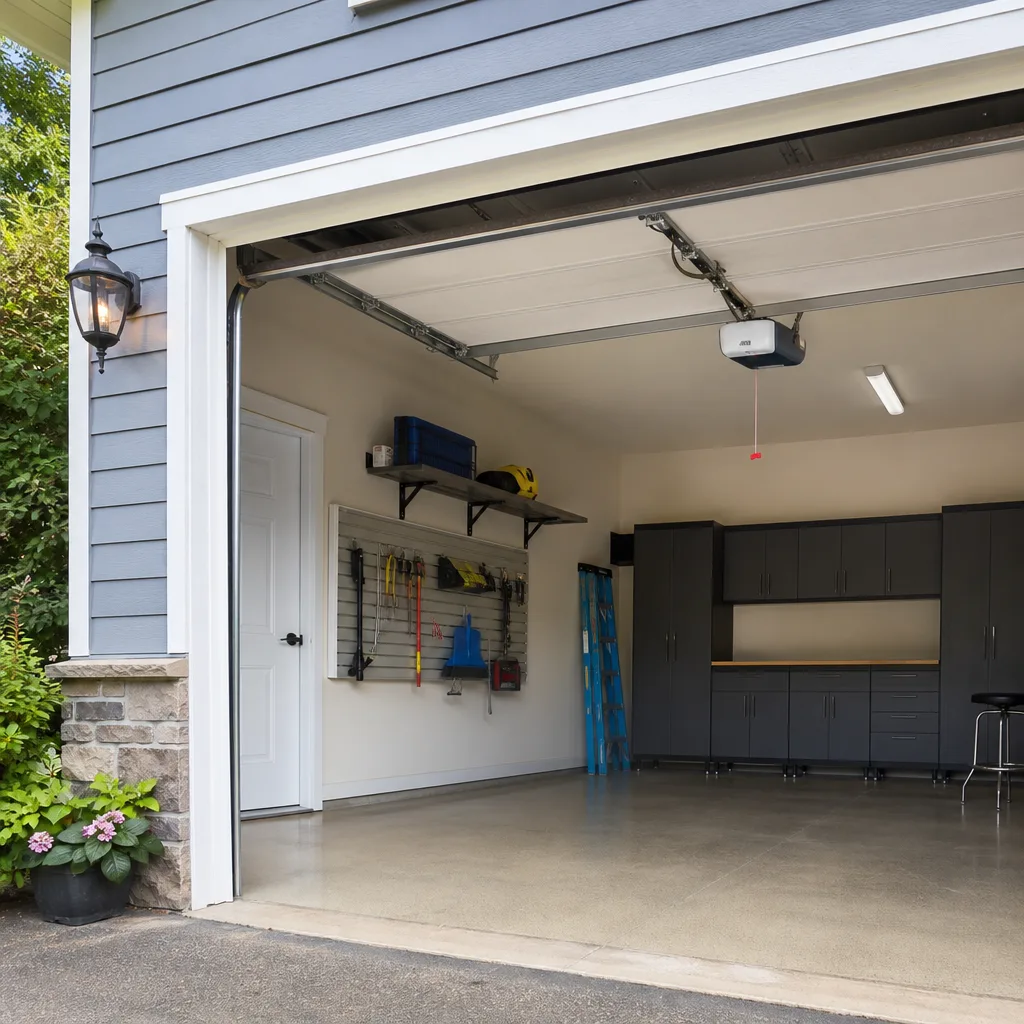 Chamberlain openers
Full 25-point door and opener safety check with every visit - springs, cables, rollers, tracks, and your LiftMaster or Chamberlain opener included
You get a price before we start. It does not change when the truck arrives.
Get your free estimateGarage Door Warning Signs: A Marietta Homeowner’s Reference Guide
A garage door that’s about to drop a torsion spring usually tells you two weeks in advance. It sounds like a low metallic groan on the way up, takes a half-second longer to lift than it used to, and sits slightly uneven when closed. Every one of those signals has a name and a fix, if you know what you’re hearing. Most Marietta homeowners never learn this language until the day the door won’t open and the car is stuck inside. This guide is your translator. By the time you finish reading, you’ll know which sounds mean “schedule a tune-up,” which mean “don’t run the door again today,” and which mean “call now and stay clear.”
Quick Answer
The most common garage door warning signs in Marietta are a low groaning sound during operation (torsion spring fatigue), a door that sags visibly to one side when closed (cable or spring imbalance), grinding or popping from the track (worn rollers or misaligned track), and a door that hesitates or moves slower than it used to (limit switch drift stressing the opener motor). Most failures give 30 to 90 days of warning. If you hear grinding or see the door sagging, stop using the door and call a professional. If you hear a low groan or notice slower movement, schedule service within the week. For a deeper walkthrough on vetting the right technician, see our guide on How to Hire a Garage Door Contractor in Marietta: A Step-by-Step Guide.
Styles & brands we work with
Table of Contents
- The Sound Guide: What Your Garage Door Is Telling You
- The Visual Guide: What a Healthy Door Looks Like
- The 60-Second Balance Test (And What It Tells You)
- Slow Doors and Limit Switch Drift: The $95 Problem That Becomes $300
- Response Timeline: When to Schedule, When to Stop, When to Call Now
- How Marietta’s Climate Accelerates Wear
- What Repair Costs Look Like in Marietta
- Common Mistakes to Avoid
- When to Call a Professional
- Frequently Asked Questions
The Sound Guide: What Your Garage Door Is Telling You
Your garage door speaks in a specific vocabulary. Each sound corresponds to a particular component under stress. Learn the dialect and you’ll know what’s failing before it breaks. Here’s what we hear most often on service calls across Marietta, from Whitlock Avenue up to East Cobb.
Low metallic groan during opening. This is the classic torsion spring fatigue sound. The torsion spring, that large coil mounted horizontally above your door opening, stores mechanical energy every time the door closes. Over roughly 10,000 cycles, the steel in that spring begins to lose its temper. It doesn’t snap all at once. It complains first. The groan is the sound of coil surfaces grinding against each other as they lose their spring-back. If you hear this, the spring is in its final weeks. Schedule garage door repair in Marietta within the week. Replacing one torsion spring in this market typically runs $180 to $340 including labor, depending on spring size and door weight.
Squealing or high-pitched screeching. This usually points to worn rollers. Rollers are the small wheels, typically nylon or steel, that ride inside the vertical and horizontal tracks. Nylon rollers with sealed bearings run quiet for years, then develop a dry-bearing squeal when the internal lubrication degrades. Steel rollers without bearings start grinding metal-on-metal from day one. If the squeal is rhythmic and matches the door’s movement speed, it’s a roller issue. A full roller replacement on a standard two-car door in Marietta costs $120 to $200. Left ignored, a seized roller can flatten into an oval shape and then the door starts to bind.
Popping or snapping sounds from the track area. A sharp pop that happens once or twice during a full open-close cycle is usually a track misalignment. The door sections, connected by hinges, are flexing slightly as they negotiate a bent or shifted track. Over time the stress transfers to the hinges themselves, and eventually a hinge pin shears. In Marietta’s humidity, track fasteners can also work loose as the wood framing around the opening expands and contracts. A track realignment runs $95 to $160 in most cases.
Grinding or rattling from the center rail above the car. That’s the trolley carriage. It’s the component that connects the opener’s drive rail to the door itself. On chain-drive openers, a rattling carriage often means the chain tension is off or the carriage’s internal nylon gears are stripping. On belt-drive units from LiftMaster or Chamberlain, grinding from the carriage typically means the belt’s teeth are skipping on a worn sprocket. This is an garage door opener repair in Marietta situation, and it’s usually a same-day fix. Carriage replacement runs $110 to $190.
The Visual Guide: What a Healthy Door Looks Like
You don’t need to know what a torsion spring is supposed to look like under load to spot trouble. You need to know what a properly balanced door looks like in three positions: fully closed, fully open, and held at waist height.
Fully closed. A healthy door sits flush against the ground on both sides. Run your eye along the bottom edge. If the rubber weather seal touches the concrete evenly from left to right, the door is sitting level. If one side has a visible gap and the other side presses tight, something is off. In our experience in Marietta, a door that’s high on the left usually means the left cable has stretched or the right spring is doing more work than it should.
Sagging to one side when closed. This is the warning sign that separates a routine adjustment from an urgent repair. A door that visibly sags to one side when closed means either a cable has frayed and is about to snap, or one of the two torsion springs has lost tension unevenly. Cables under a two-spring system carry hundreds of pounds of tension. A frayed cable announces itself with visible rust-colored strands poking out near the bottom brackets. If you see that, do not operate the door. A cable under partial failure can release without warning, and the door can come down hard and fast.
Fully open. When the door is open, look at the horizontal tracks above the car. The door should be level, parallel to the floor, with both sides at the same height. Also look at the track’s curve where it transitions from vertical to horizontal. This curve is where misalignment shows first: a gap between the roller and the track’s inner face means the track has been pushed outward, often by a car bumper or a child’s bike handlebar.
Held at waist height. This is the balance test position, and it belongs in its own section. It’s the single most diagnostic thing you can do to your garage door without touching any spring, cable, or bracket.
The 60-Second Balance Test (And What It Tells You)
This is the one test we teach every Marietta homeowner because it takes less than a minute and it tells you more about your door’s condition than any other observation. The balance test tells you whether your springs are doing their job evenly, which is the difference between a door that lasts 15 years and one that kills an opener motor in three.
Here’s how to do it safely:
- Close the door completely. Make sure the area around you is clear.
- Pull the red emergency release handle. This disconnects the door from the opener trolley. The door is now running on springs and cables only. Keep one hand on the door at all times.
- Lift the door manually to waist height. Use the door’s lift handle if it has one, or grip the bottom edge firmly.
- Let go completely. Step back one step. Watch what the door does.
- Repeat at chest height and shoulder height. Then gently guide the door back down.
- Reconnect the opener. Run the opener until the trolley re-engages with the door arm. You’ll hear a click.
Now, what the results mean. If the door stays put at every height, your springs are balanced. Nothing to do. If the door drifts upward, the springs are over-tensioned, which is uncommon but happens after a recent spring replacement when the installer wound them too tight. If the door drops, your springs are losing tension. A door that drifts downward slowly is in early-stage spring fatigue. A door that drops fast means the springs are close to done. In either drift case, the springs need adjustment or replacement, and in Marietta that work runs $180 to $340 for a torsion spring replacement on a typical residential door.
One caution: this test requires pulling the release handle, which disconnects the door from the opener’s braking system. On a badly unbalanced door, the door can drop quickly once released. Keep your body to the side of the door, not underneath it, every single time. If the door feels heavier than you can comfortably control, stop and call a professional.
Slow Doors and Limit Switch Drift: The $95 Problem That Becomes $300
Here’s a failure sequence that costs Marietta homeowners hundreds of dollars every year, not because the original problem is expensive, but because nobody notices it until the opener burns out.
Your opener has a limit switch. It’s a small internal mechanism that tells the motor precisely where “fully open” and “fully closed” are. Over time, vibrations, temperature swings, and normal wear cause that limit setting to drift. The door starts closing just slightly too far, pressing into the ground before the motor stops. Or it opens slightly too far, yanking against the stop bolts at the end of the track.
When the limit is off, the motor keeps pushing against resistance it wasn’t designed to overcome. The strain shows up as a door that moves slower than it used to, or a motor that runs for a half-second after the door has already stopped. The motor runs hot. The drive gear inside, typically a nylon gear on Genie and Chamberlain models, starts stripping teeth. Within a few months, you get the classic half-functioning opener: it hums, the chain or belt moves a few inches, and then it gives up.
That’s the $300 version. The $95 version is a limit switch adjustment. In Marietta, a limit adjustment combined with a track lube and a door balance check runs $85 to $125. The catch: you have to catch it. If your door has started moving slower, or if the opener motor runs noticeably after the door has stopped, that’s your warning. The longer you wait, the more likely the gear damage becomes permanent.
If you’re seeing a slow door on a Raynor or LiftMaster unit that’s more than eight years old, we usually recommend having the opener internals checked at the same time as the limit adjustment. The two problems like to travel together.
Response Timeline: When to Schedule, When to Stop, When to Call Now
Not every warning sign requires the same urgency. Here’s how we tell our Marietta customers to triage what they’re seeing and hearing.
Schedule within the week (low urgency)
- Low groan during opening. Torsion spring fatigue. You have days to a few weeks. Start making calls.
- Slow door movement with no other symptoms. Possible limit switch drift or low lubrication. Address it before it becomes a gear failure.
- Intermittent squeal that stops after the first cycle of the day. Roller bearings starting to dry out. Routine replacement window.
- The door reverses occasionally without anything in the way. Safety sensor misalignment or dirt on the sensor lens. Clean the lens first, then call if it continues.
Do not operate the door today (high urgency)
- Door sags visibly to one side when closed. Cable or spring imbalance. Every cycle adds stress to a component near failure.
- Grinding, popping, or metal-on-metal contact sounds from the track. Track misalignment or roller failure. The door can bind and come off track completely.
- Door hesitates halfway up, then resumes. This is often cable tension releasing and re-engaging. It’s the signature immediately before a cable snap.
Call now and stay clear (emergency)
- You see frayed cable strands near the bottom brackets. A cable can go at any moment. Keep people and pets away from the door area.
- A loud bang from inside the garage, and the door won’t move. A torsion spring snapped under tension. This is violent. Check for damage, then call.
- The door is hanging unevenly by one cable. Do not try to straighten it or release the emergency cord. The remaining cable and spring are under enormous load.
- Any grinding noise accompanied by burning smell. Opener motor or capacitor failure. Unplug the opener and call.
In any emergency situation, a live person answers our phone at (762) 209-3693 day, night, weekends, and holidays. You won’t get a voicemail tree.
How Marietta’s Climate Accelerates Wear
Marietta sits at about 1,100 feet elevation with summer humidity that routinely crosses 70 percent and winter temperatures that dip into the 20s. That combination does specific things to garage door components. Our Seasonal Garage Door Care for Marietta: Year-Round Homeowner’s Guide breaks down what to watch each season.
Humidity and track corrosion. Steel tracks and fasteners in unconditioned Marietta garages develop surface rust faster than in drier climates. The rust creates friction. Friction makes the opener work harder, accelerates roller wear, and can cause the door to bind at the very moment a limit switch is losing its calibration. We see a measurable uptick in track-related service calls every August and September, after the summer humidity has had three months to work.
Temperature swings and torsion springs. Garage torsion springs are made from oil-tempered steel wire. Every degree of temperature change causes the wire to expand or contract molecularly. In Marietta’s climate, where a January morning can be 28 degrees and an April afternoon can hit 75, that expansion-contraction cycle runs hundreds of times per year. Over a decade, it contributes to micro-fractures in the spring steel. Springs in Marietta rarely fail from a single overload event. They fail from the slow accumulation of thermal cycles, which is exactly why the warning signs matter so much.
Pollen season and safety sensors. Spring in Cobb County brings a thick coating of pine and oak pollen that settles on everything, including the photo-eye sensors mounted near the floor on each side of the door opening. A dusty sensor lens triggers mystery reversals and is the number one no-charge fix we perform between March and May. Keep a dry cloth handy and wipe the sensor lenses every few weeks during heavy pollen. It saves you a service call.
What Repair Costs Look Like in Marietta
We believe in telling you the price before you commit, and we apply the same philosophy to this guide. Here are the current typical ranges for common warning-sign-related repairs in the Marietta market as of 2026.
| Repair Type | Typical Cost Range | Time on Site |
|---|---|---|
| Torsion spring replacement (single spring) | $180 – $270 | 45 – 60 minutes |
| Torsion spring replacement (pair) | $300 – $340 | 60 – 90 minutes |
| Roller replacement (full set, nylon) | $120 – $200 | 45 minutes |
| Track realignment | $95 – $160 | 30 – 45 minutes |
| Trolley carriage replacement | $110 – $190 | 30 – 45 minutes |
| Limit switch adjustment + lubrication | $85 – $125 | 20 – 30 minutes |
| Cable replacement (pair) | $150 – $220 | 45 – 60 minutes |
| Opener motor replacement | $280 – $450 | 1 – 2 hours |
These ranges reflect what we see on service calls across Marietta, from the older homes near the Square to newer construction in West Cobb. Every quote we give is written down and handed to you before any work starts. No verbal estimates, no invoice surprises. The price you agree to is the price you pay.
One note on spring replacement specifically: if your door has two torsion springs and one has failed, we recommend replacing both. They were installed as a matched pair and have accumulated identical cycle counts. The second spring is statistically close to failure, and replacing both at once costs less than two separate service visits. It’s the same advice we’d give our own families.
Common Mistakes to Avoid
- Lubricating the wrong parts. Spraying lubricant on the track itself attracts dust and creates a sticky paste that makes friction worse. The track should stay dry. Lubricate the rollers, hinges, and torsion spring coil surfaces only, and use a garage door specific lubricant or white lithium grease.
- Ignoring the groan because the door still works. The groan is the spring asking to be replaced. By the time it snaps, you’re in an emergency situation with a door that won’t open and a car trapped inside. Scheduling a spring replacement on your timeline beats doing it on the spring’s timeline every time.
- Re-engaging the opener after a balance test without checking the door position. If the door is half-open when you run the opener to reconnect, the trolley can slam into the door arm and bend it. Always reconnect with the door in the fully closed or fully open position.
- Adjusting the torsion spring yourself. Torsion springs are under several hundred pounds of tension. The winding bar can slip, and when it does, it moves with enough force to break bones. This is the one repair where the DIY risk genuinely outweighs any savings. We don’t say that about many things, but springs are different.
- Using the garage door as the primary entry while it’s showing warning signs. The most dangerous moment in a door failure is when it’s moving. If you’re seeing sag, hearing grinding, or noticing slow operation, switch to the front door until a professional has looked at it. The inconvenience is real. A door coming off its tracks is worse.
- Replacing the opener when the springs are the problem. This happens constantly in Marietta. A tired spring makes the door feel heavy, the opener strains, and the homeowner concludes the opener is the weak link. A new opener on worn springs burns out just like the old one did. Check the springs first. They’re cheaper to replace than an opener and they’re usually the root cause.
When to Call a Professional
Call a professional the moment you see frayed cables, hear a metallic grinding from the track, or notice the door sagging to one side. Those are functional failures, not maintenance items, and they get worse with every cycle. Also call if your door has passed the balance test with a visible drift: springs don’t re-tension themselves, and the strain is being absorbed by your opener’s drive gear. Doyle Garage Doors Marietta offers free estimates across Marietta, and every visit started with a name and photo sent to your phone before we ring the bell. Call (762) 209-3693 and you’ll get a live person, not a menu.
Frequently Asked Questions
Garage door spring repair in Marietta typically costs $180 to $340 depending on whether you’re replacing one spring or a matched pair, with most jobs completed in under 90 minutes. The variation comes from door weight and spring size, not from surprise add-ons, because the price is written down and agreed to before any work starts. Call (762) 209-3693 for an exact quote. Estimates are free.
Yes, most garage door repairs in Marietta are same-day jobs, especially spring replacements, roller swaps, and track realignments, because our trucks carry the common parts for LiftMaster, Chamberlain, Genie, and Raynor doors. If the part you need isn’t on the truck, we’ll tell you that before you commit and give you a straight answer about timing. Call (762) 209-3693 and a live person will give you today’s availability.
No, not at Doyle Garage Doors Marietta. The price you’re quoted before the appointment is the price you pay, because we inspect the door and confirm the diagnosis before we hand you the written estimate. If the repair is different from what was discussed over the phone, you’ll get a new written number before any work begins. You always have the option to decline and owe nothing.
A garage door spring typically announces its failure with a low metallic groan during opening for one to three weeks before it snaps, which is the window to act. The snap itself sounds like a loud bang from inside the garage, often described by our Marietta customers as a gunshot or a heavy tool hitting the concrete. If you hear the bang and the door won’t move, call (762) 209-3693 and stay clear of the door until a technician arrives.
A well-maintained garage door in Marietta lasts 15 to 20 years, with springs lasting 7 to 10 years, rollers 5 to 8 years, and garage door openers 10 to 12 years depending on cycle count. See The Complete Guide to Garage Door in Marietta for the full picture on systems, materials, and local considerations. Marietta’s humidity shortens roller and track life by accelerating corrosion, but regular lubrication and annual inspections offset most of that. The 60-second balance test once a season is the best free longevity tool you have.
Yes, we service all major garage door brands in Marietta including LiftMaster, Chamberlain, Genie, Clopay, Amarr, Wayne Dalton, Craftsman, and Raynor, and our technicians are factory-trained on the most common openers in the Cobb County market. If you’re considering a full replacement, see our garage door installation in Marietta page for what a new door costs and how the process works. Call (762) 209-3693 to talk through options.
The Bottom Line
Your garage door tells you what’s wrong before it fails. The groan is spring fatigue. The squeal is roller wear. The sag is cable tension loss. The slow door is limit switch drift. Each of these has a repair cost measured in the low hundreds, and each becomes dramatically more expensive when ignored. The 60-second balance test once a season will catch most problems before they become emergencies. Every job at Doyle Garage Doors Marietta includes a written price before work begins and a written 365-day guarantee, because you should know exactly what you’re paying and exactly what you’re getting. If you’ve noticed any of the warning signs in this guide, call (762) 209-3693 for a free estimate. We’ll tell you who’s coming before they arrive.
Written by Aaron Teague, Owner at Doyle Garage Doors Marietta, serving Marietta since 2001. Browse more guides & resources from our team.
See the difference
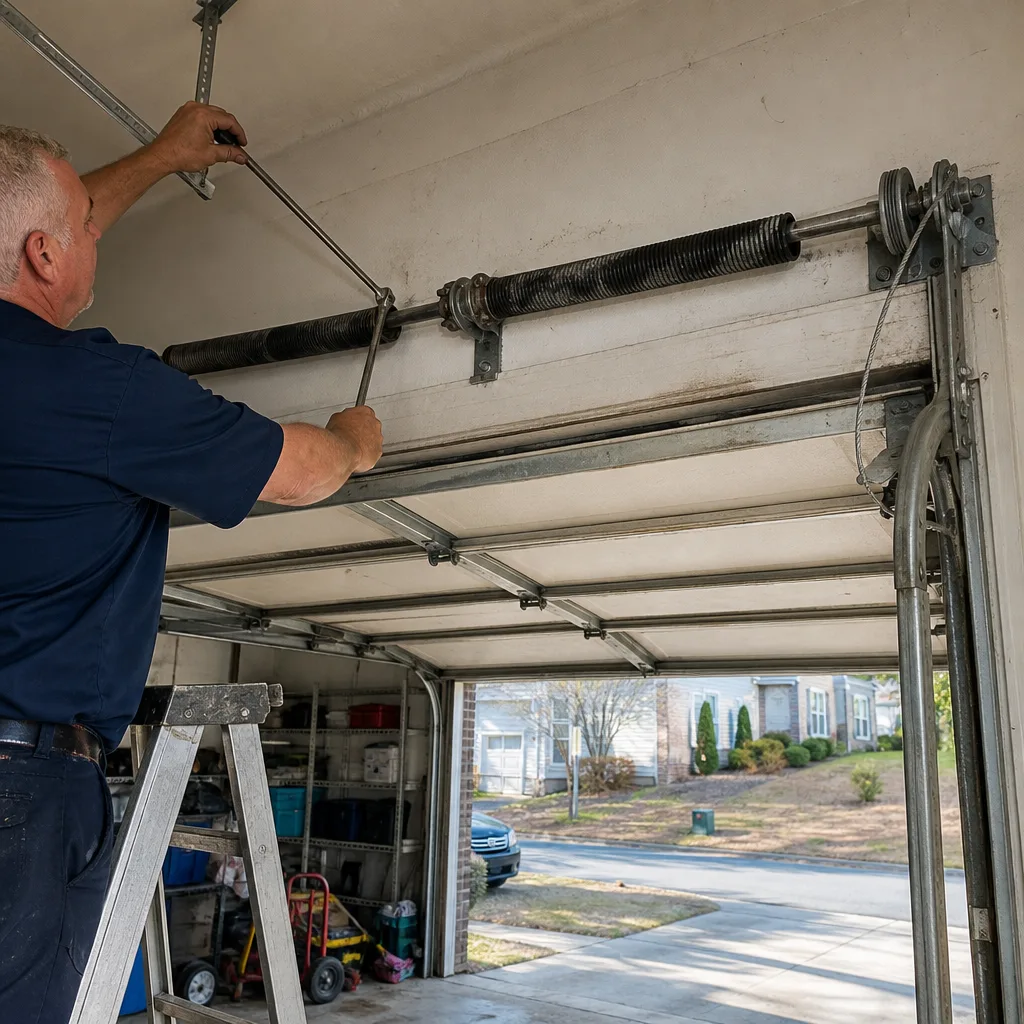 Before
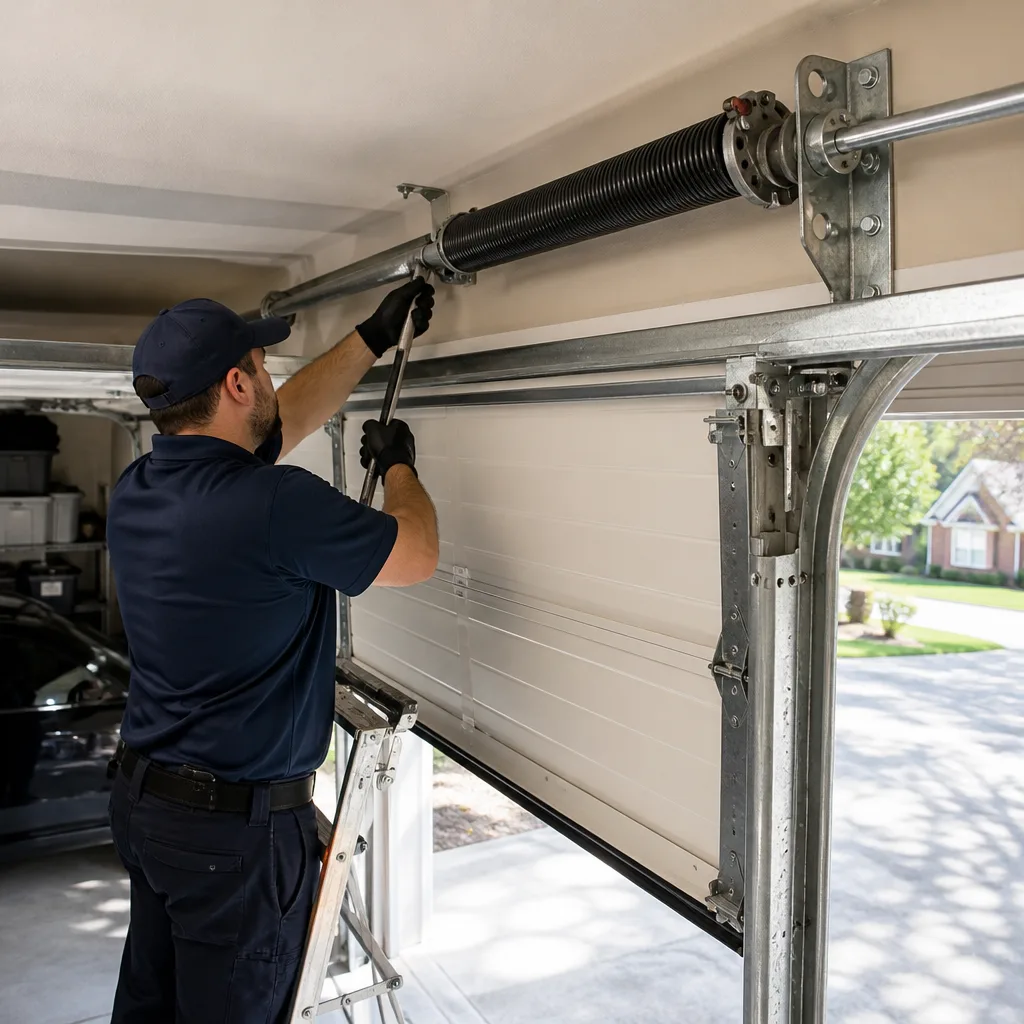 After
After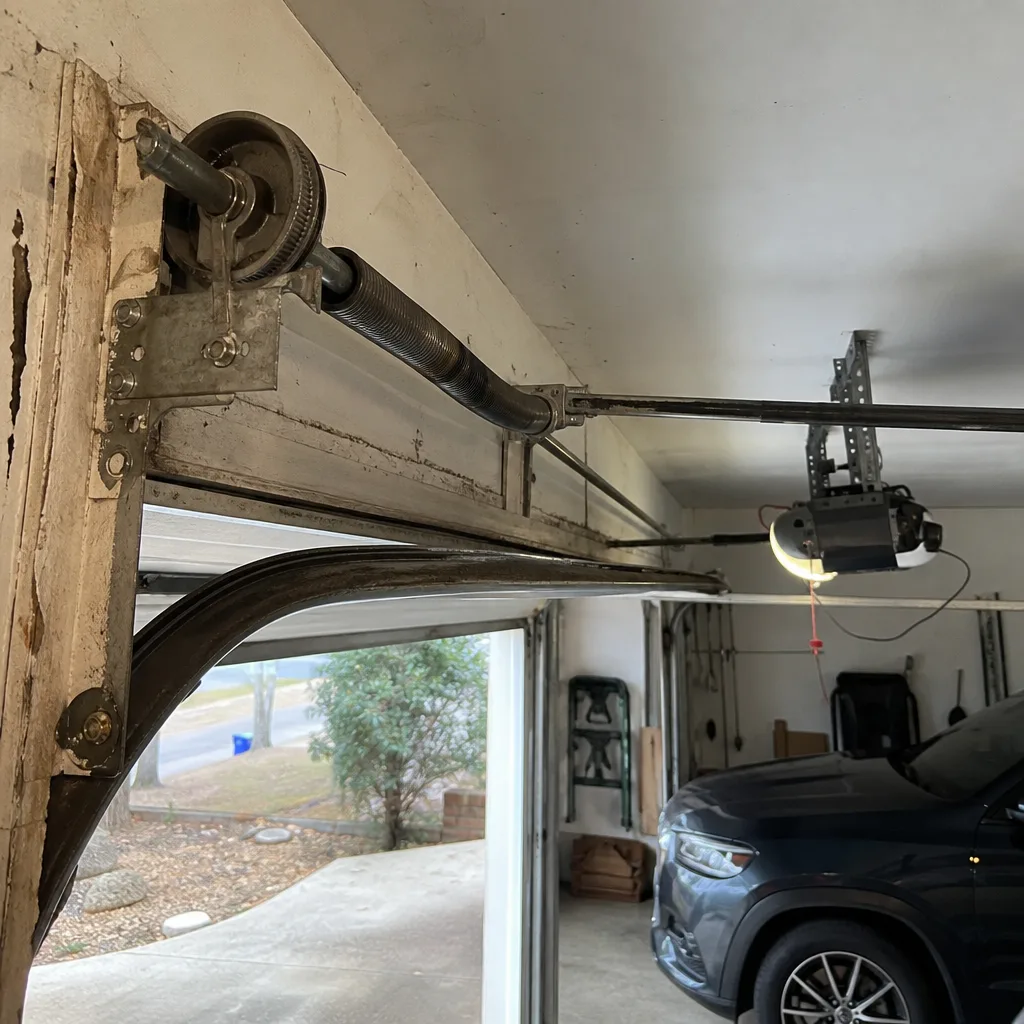 Before
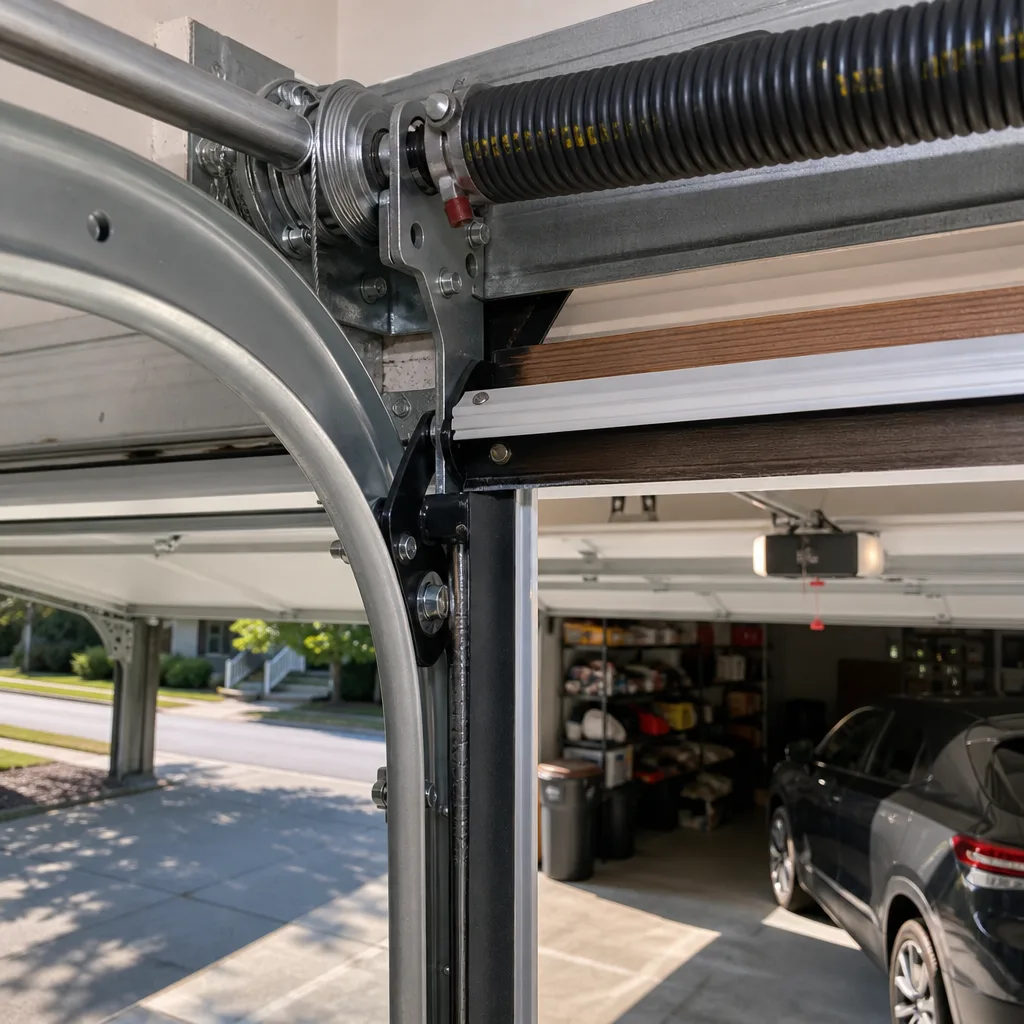 After
After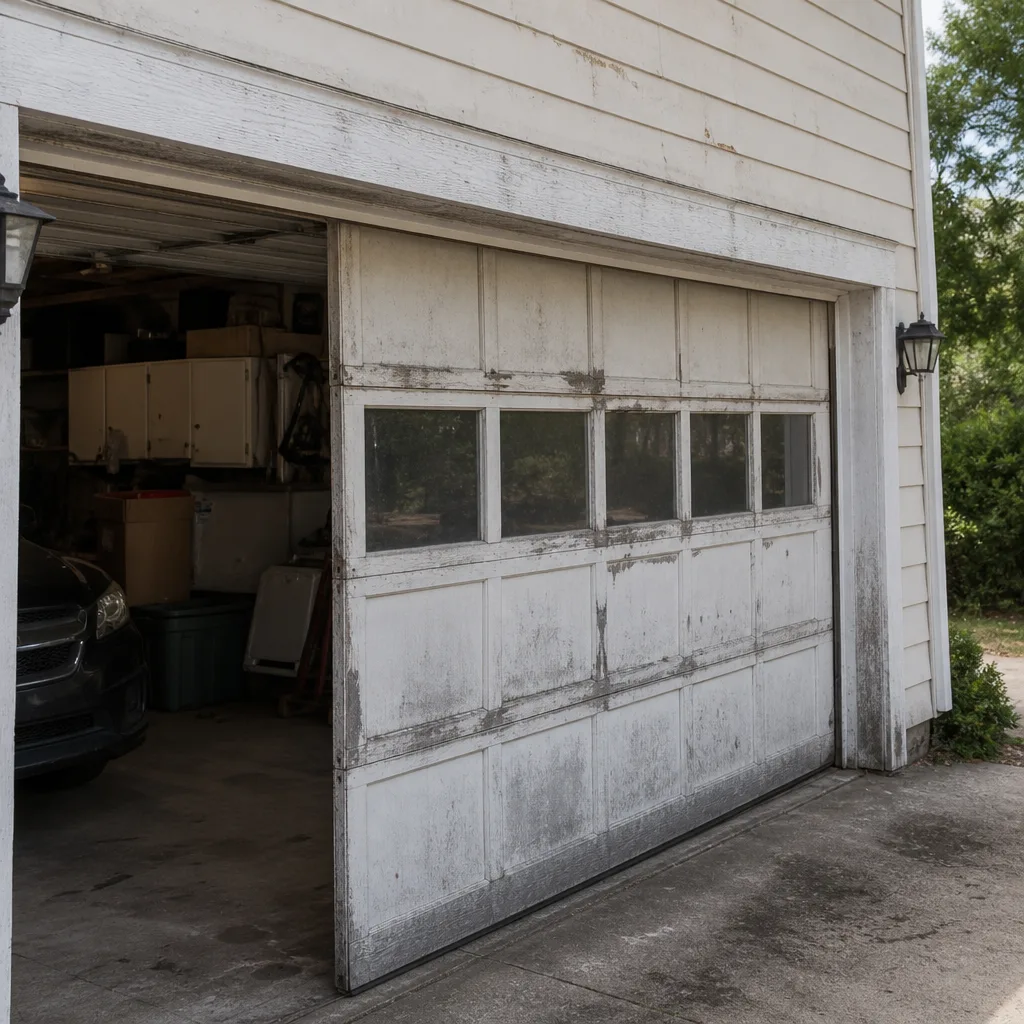 Before
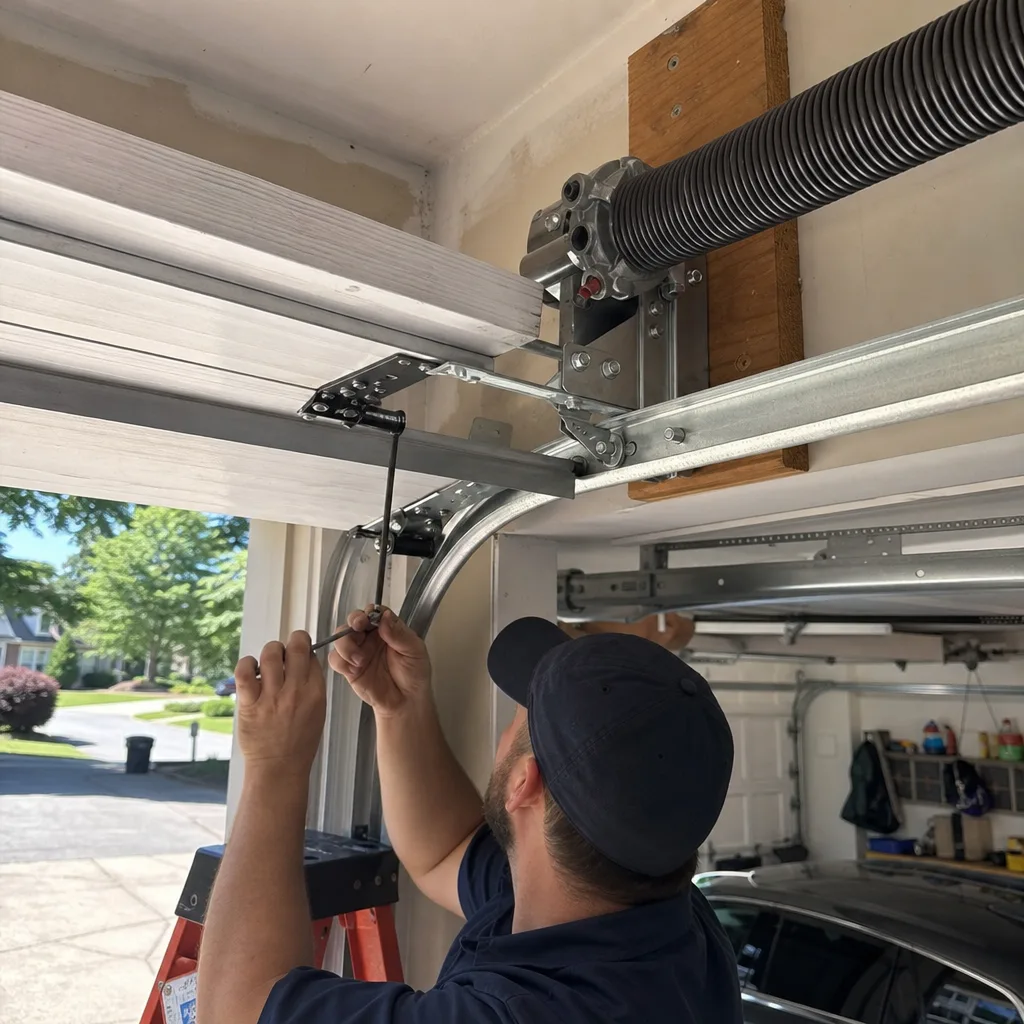 After
After