
Last updated October 16, 2026
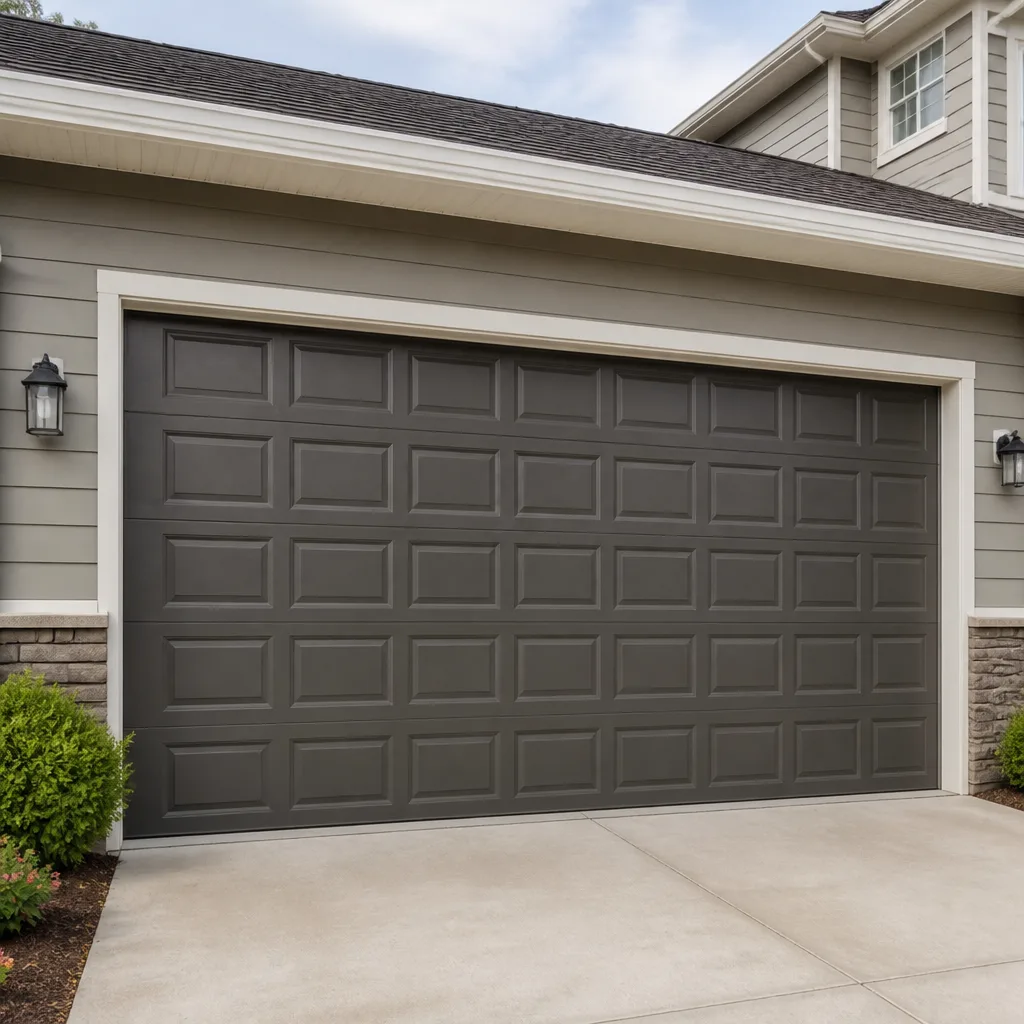 Raised-panel steel
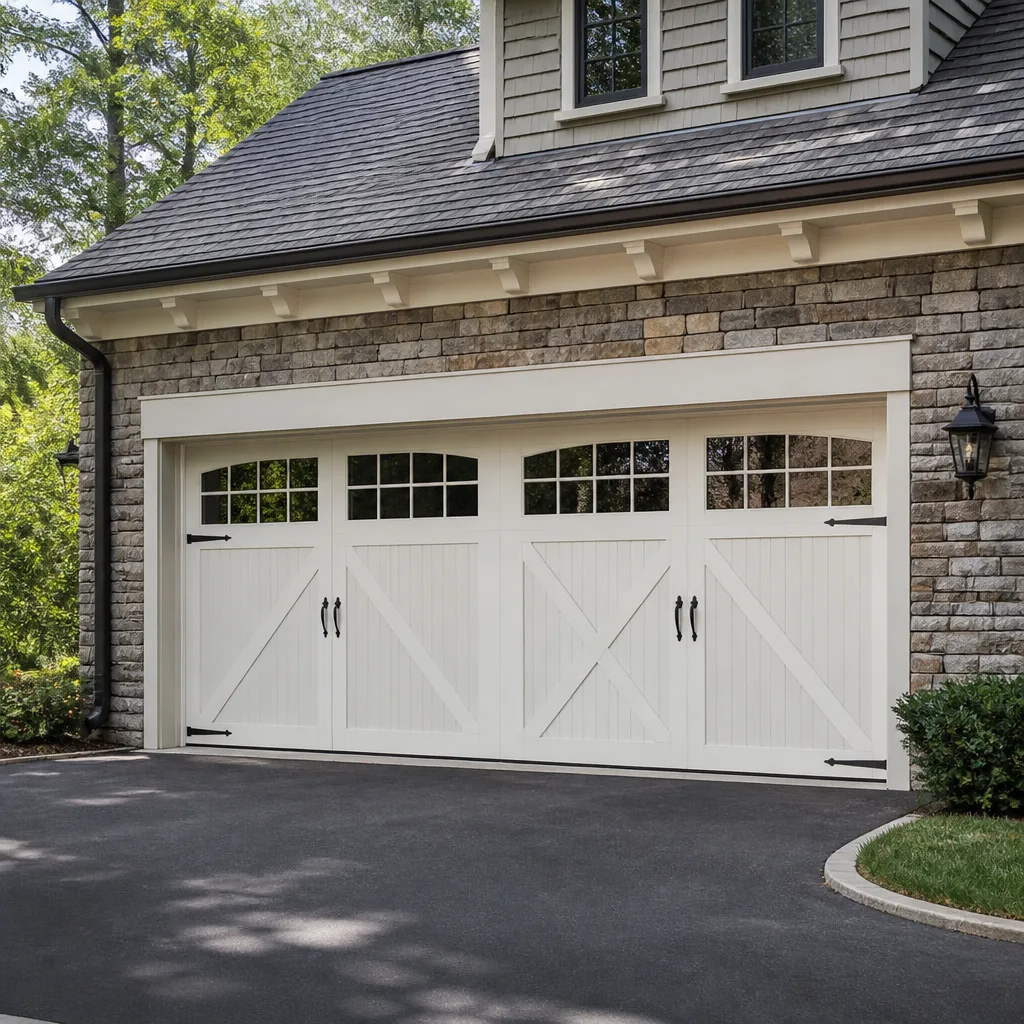 Carriage house
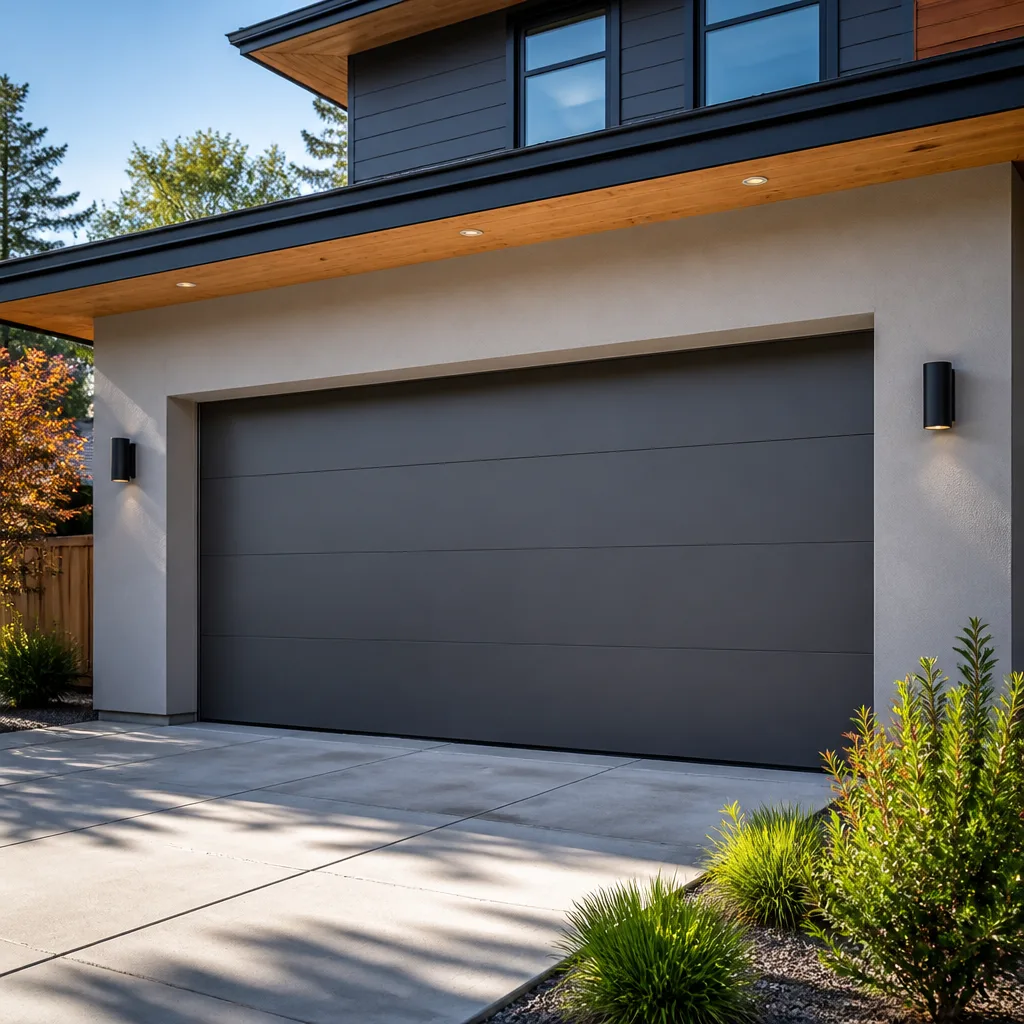 Modern flush
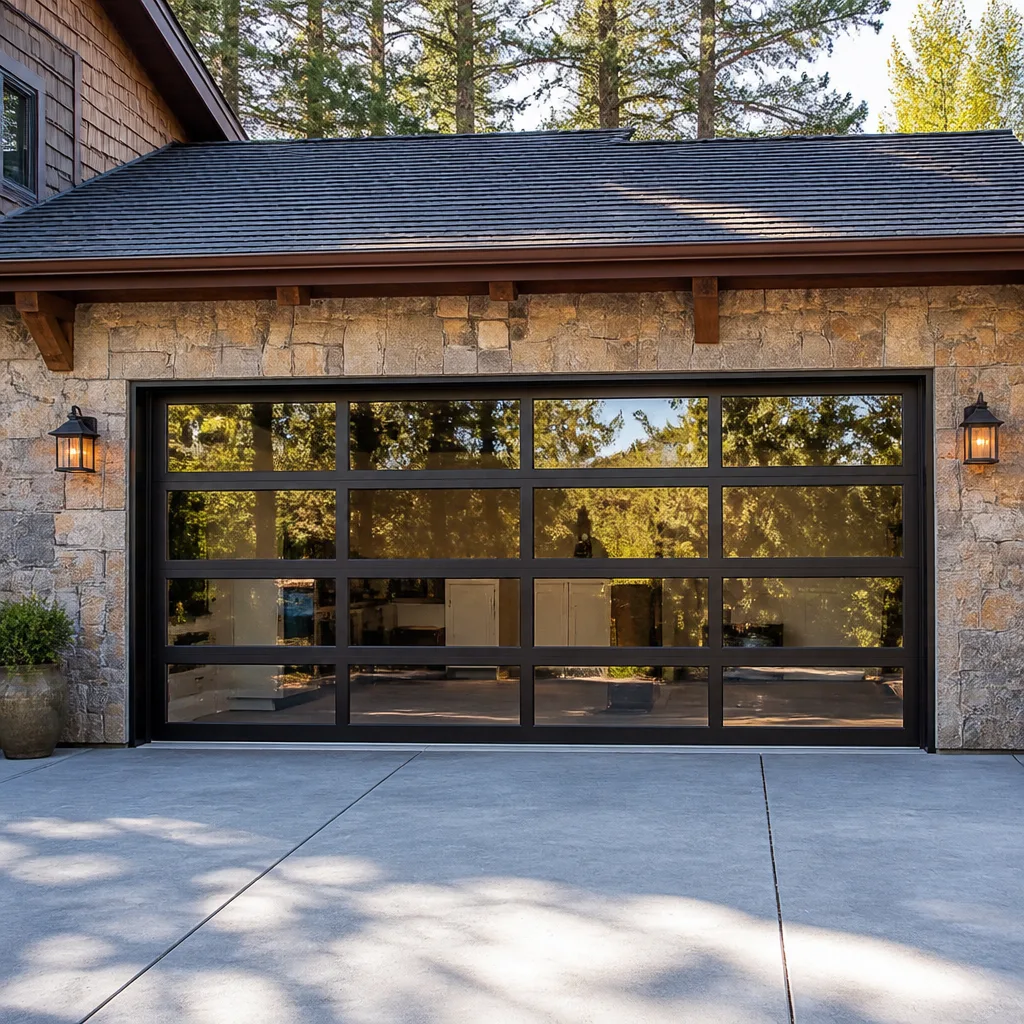 Full-view glass
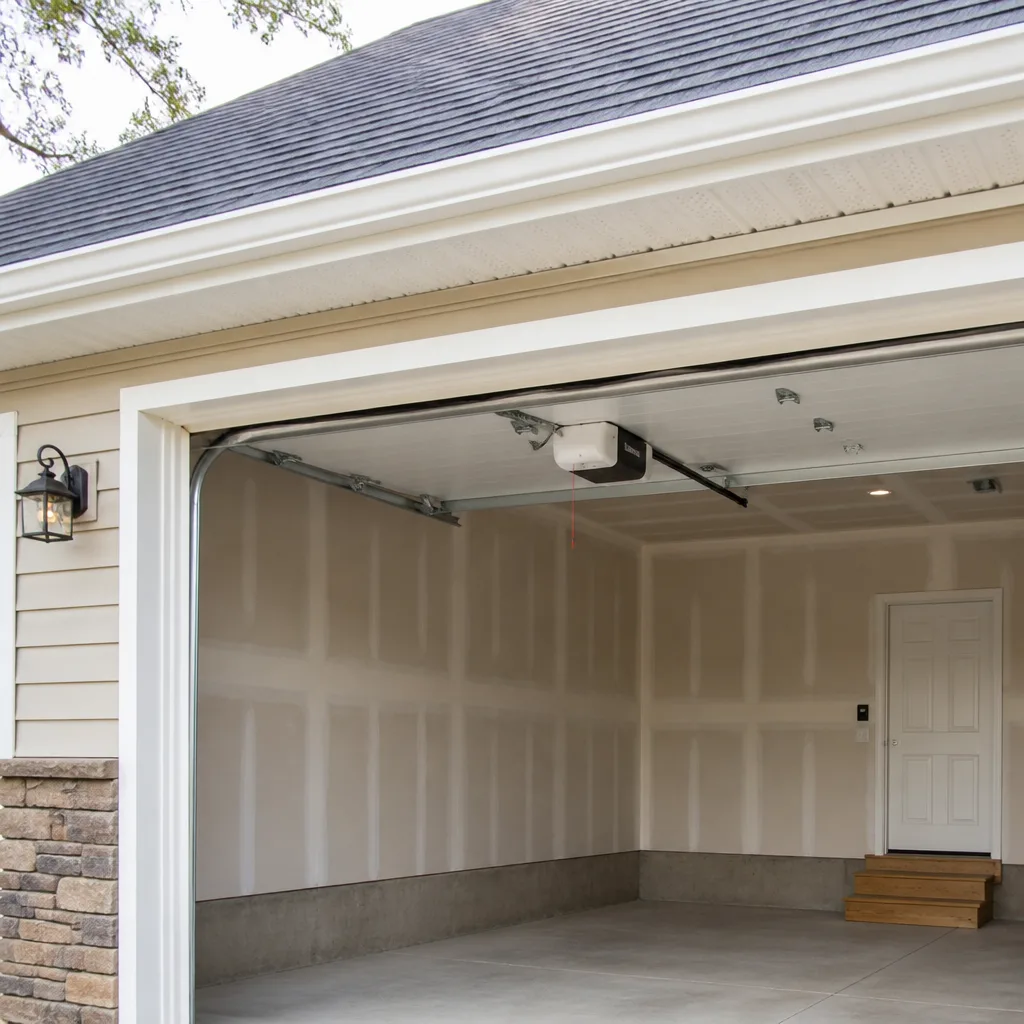 LiftMaster openers
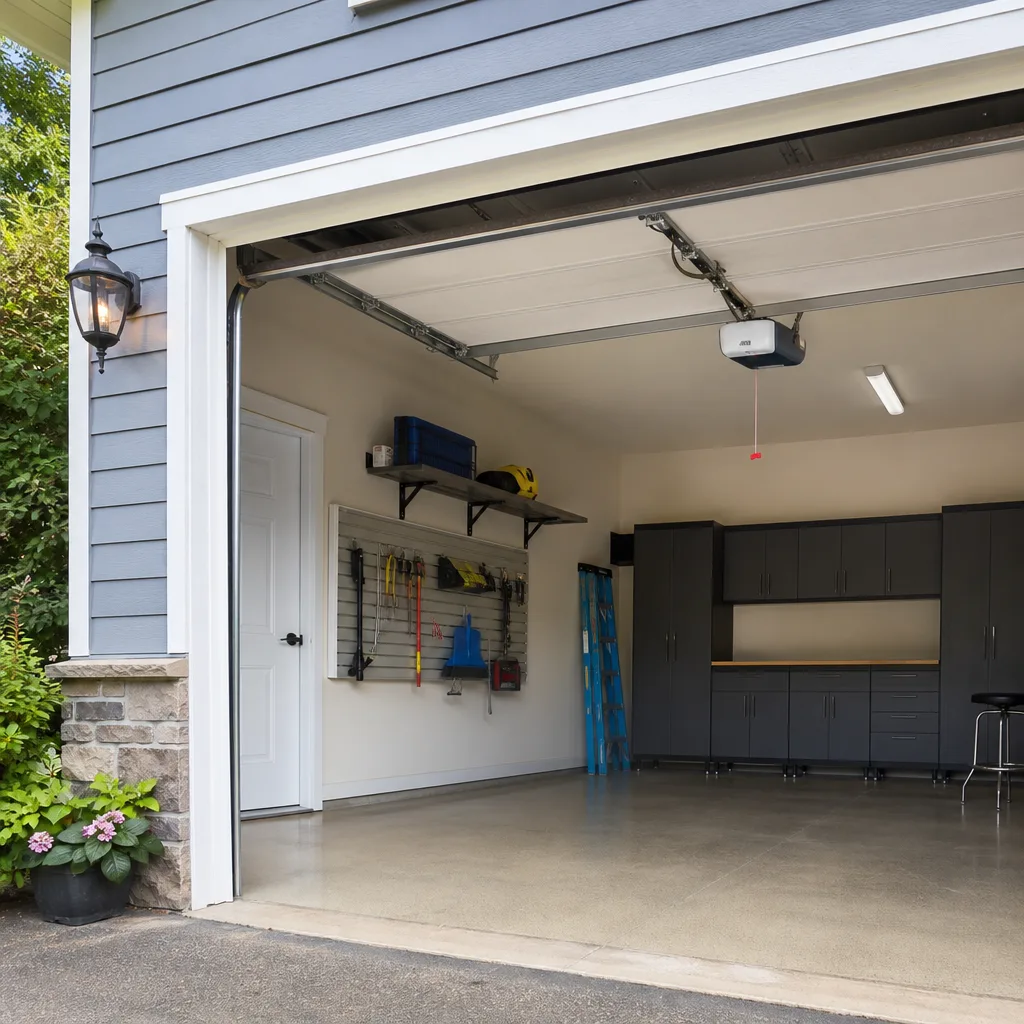 Chamberlain openers
Full 25-point door and opener safety check with every visit - springs, cables, rollers, tracks, and your LiftMaster or Chamberlain opener included
You get a price before we start. It does not change when the truck arrives.
Get your free estimateGarage Door Permits, Codes & Inspections in GA: What You Need to Know
Here’s the counterintuitive reality most Marietta homeowners learn too late: a garage door replacement done without the required permit won’t fail immediately. It won’t sag, squeak, or refuse to open. It will fail at closing, when a buyer’s inspector flags unpermitted work and your deal stalls or falls apart entirely. This guide breaks down exactly when a permit is required in Cobb County, what Georgia code says about garage door safety systems, what inspectors actually look for, and how to confirm your contractor filed paperwork instead of just promising to. For related reading, see our Garage Door Warning Signs: A Marietta Homeowner’s Reference Guide. We’re going to save you a conversation with a title company that you don’t want to have.
Styles & brands we work with
Quick Answer
In Georgia, garage door permits are governed at the county and city level, not the state level. In Marietta and Cobb County, a like-for-like door swap with no structural or electrical changes is typically exempt from permit requirements, but changing the door size, altering the header, or adding a new automatic opener can trigger a building permit. Always check with Cobb County Development and Inspections before starting, verify any contractor’s permit claims in writing, and consult our How to Hire a Garage Door Contractor in Marietta: A Step-by-Step Guide.
Table of Contents
- Cobb County Permit Thresholds: When a Permit Is Required
- UL 325 and Georgia Code: The Safety Standard Behind Automatic Openers
- What a Cobb County Inspector Actually Checks
- How Unpermitted Garage Door Work Gets Discovered
- Contractor vs. Homeowner: Who Pulls the Permit?
- How to Confirm a Contractor Has Actually Filed the Permit
- Marietta Climate and Code: Why Local Conditions Matter
- Permit Costs and Timeline in Cobb County
- Common Mistakes to Avoid
- When to Call a Professional
- Frequently Asked Questions
- The Bottom Line
Cobb County Permit Thresholds: When a Permit Is Required
The single most important distinction for Marietta homeowners is between a repair, a like-for-like replacement, and a modification. Each has different rules under the Cobb County Development and Inspections code, and confusing them is where most people get into trouble.
Here’s the practical breakdown we’ve seen hold true across hundreds of jobs in East Cobb, West Marietta, and Powder Springs:
- Repair, no permit: Replacing a broken torsion spring, a bent track, a snapped cable, or a worn roller. The door opening size, structure, and electrical system stay exactly as they were. No permit required.
- Like-for-like replacement, no permit: Swapping a 16×7 steel door for another 16×7 steel door using the existing tracks, header, and wiring. The opening is unchanged. No structural modification. In most cases, Cobb County treats this as maintenance, not construction.
- Size change, permit required: Widening the opening from 8 feet to 9 feet, or raising the header for a taller door. This is structural work. The header is load-bearing. A permit and inspection are mandatory, and a framing contractor or engineer may need to be involved.
- New opener on a door that never had one, permit may be required: Running a new dedicated circuit to the garage ceiling counts as electrical work. If the opener plugs into an existing outlet, you’re generally fine without a permit. If new wiring is pulled, the electrical work itself triggers the permitting requirement.
We tell every homeowner the same thing before starting: if the footprint of the opening changes, or if new electrical circuits are installed, assume you need a permit until the county says otherwise. You can check by calling Cobb County Development and Inspections directly, and we’ve never met a homeowner who regretted making that call. If you’re already dealing with a broken door that needs repair before you can even think about replacement, our Garage Door Repair in Marietta page walks through what’s typically involved.
UL 325 and Georgia Code: The Safety Standard Behind Automatic Openers
Every automatic garage door opener manufactured for sale in the United States since 1993 must comply with UL 325, the safety standard that governs the auto-reverse mechanism. Georgia adopted this standard into its residential building code, and it’s one of the first things an inspector verifies.
UL 325 is not a brand recommendation. It’s a baseline every opener must meet, and it covers two specific safety functions:
- Auto-reverse on contact: If the closing door touches an object, the opener must stop and reverse within two seconds. The door cannot continue applying force. A standard two-by-four laid flat on the ground is the classic test: the door must reverse when it contacts the wood.
- Photo-eye sensors: A beam of light runs across the door opening, about six inches off the floor. If anything interrupts that beam while the door is closing, the door must reverse. The sensors must be mounted no higher than six inches so a small child or pet cannot crawl under the beam unnoticed.
Marietta homes with older openers manufactured before 1993 are still out there, and a surprising number of them are still in daily use. Those units predate the modern safety requirements and generally cannot be brought into compliance; the fix is replacement, not adjustment. We’ve installed enough LiftMaster and Raynor openers in east Cobb ranches and West Marietta colonials to say this with confidence: a modern opener with a properly set limit switch and functioning photo-eyes will pass an inspection, and an old unit will not, even if it still runs.
What a Cobb County Inspector Actually Checks
If a permit is required for your job, here’s what the inspector walks through. None of this is esoteric. All of it is testable in under five minutes. A good installer knows the list before the inspector arrives, and a great installer leaves the job site ready for the inspection the day the work is done.
The inspector’s typical checklist:
- Auto-reverse force test: The opener’s down-force setting must be low enough that the door reverses when it hits a two-by-four flat on the ground. If the door keeps pressing down, it fails on the spot. For a quick reference, most modern LiftMaster and Craftsman openers have a force adjustment dial on the motor unit, but this is a test, not a setting you should adjust blind on a door with high-tension springs.
- Photo-eye alignment and height: The sensors must be mounted no higher than six inches off the floor, facing each other, with no obstruction. The inspector will block the beam with a foot or a clipboard to confirm the door reverses.
- Limit switch settings: The limit switch tells the opener where the door stops at the top and bottom of its travel. Set too high, the door leaves a gap at the floor. Set too low, the door slams into the concrete and strains the operator rail. The inspector watches for smooth stops at both ends of the cycle.
- Header clearance: The header is the structural beam above the door opening that carries the load of the wall above. The inspector confirms the track assembly is securely attached to solid framing, not drywall anchors or improvised brackets. This matters more in older Marietta homes where carports were later enclosed into garages.
- Manual release function: The red emergency release cord must disengage the door from the trolley carriage so the door can be operated by hand. The inspector verifies it hangs within reach and functions correctly. This is a safety escape route if the power is out and you need to get a vehicle out.
What most homeowners don’t realize is that the force test and the photo-eye test are reactive: they catch problems only if the adjustment is wrong on inspection day. A garage door opener’s force settings can drift over time, especially in Marietta’s humid summers when wood frames swell and metal tracks expand. That’s why every new garage door opener installation we do includes a final inspection-ready walkthrough before the county inspector arrives. If you’re in the middle of a full replacement, our Garage Door Installation in Marietta guide covers the broader process from measure to finish.
How Unpermitted Garage Door Work Gets Discovered
Nobody walks around Marietta neighborhoods checking garage door permits door to door. Discovery happens later, and it happens in one of three consistent ways.
Home sale and buyer inspection. This is the big one. A diligent buyer’s inspector will compare the property’s visible garage door to the county’s permit records from the prior owner’s tenure. A larger door opening, a newly framed header, or a new electrical circuit that exists in the house but not in the county’s records raises a red flag immediately. From there, the sale stalls. The seller is asked to produce evidence of a permit, and when they can’t, the buyer requests a retroactive permit or a price concession to cover one.
Insurance claim after damage. If a garage door is damaged in a storm, a fire, or a vehicle impact, the insurer sends an adjuster. During the claim review, the adjuster may ask when the door was installed and whether it was permitted. Unpermitted work isn’t an automatic denial in every case, but it introduces friction precisely when you least want it.
Neighbor-adjacent work triggering county review. When a homeowner pulls a permit for a significant renovation, county reviewers occasionally cross-check the property’s existing conditions against the submitted plans. If the records say one garage door and the plans show another, or if an addition to the house encroaches on the garage’s existing footprint, the discrepancy surfaces.
The retroactive permitting process. Once unpermitted work is flagged, the homeowner must file for a permit after the fact, pay the fee plus a possible surcharge, and open the work to inspection. If the work fails inspection, the remedy can mean undoing and redoing structural or electrical work that was already paid for once. In Marietta, retroactive permits are routinely granted when the work is sound, but the cost and delay land on whoever owns the house at the time of discovery. That’s a burden no seller wants to negotiate from a weak position.
Contractor vs. Homeowner: Who Pulls the Permit?
Georgia statute does not force a single party to pull a permit in every scenario. The responsibility settles based on who performs the work and what the contract says. Here’s how it plays out in practice in Cobb County.
When a licensed contractor does the work, the contractor typically pulls the permit. This is standard trade practice. The contractor lists themselves as the permit applicant, schedules the inspection, and stands behind the work if the inspector flags something. The homeowner’s job is to confirm the permit was actually filed, which we’ll cover in the next section.
When the homeowner does the work themselves, the homeowner pulls the permit. Georgia allows homeowners to act as their own contractor on their own primary residence for many types of renovation work. The homeowner assumes responsibility for accuracy on the permit application and for meeting code during the work.
The gray zone is cash work done by an unlicensed handyman. If the person doing the work isn’t licensed and isn’t insured, they typically can’t pull a permit in their own name in Cobb County, which means either the homeowner pulls it or no one does. When no one pulls it, the homeowner inherits the unpermitted-work problem regardless of which party was at fault.
Doyle Garage Doors Marietta operates as part of the Doyle Garage Doors Marietta home service family, and we pull permits on every job that requires one. It’s part of the no-hassle upfront pricing we quote for every install: the price is written down and handed to the customer before a single bolt is turned, and that written price either includes the permit fee or states it as a separate line item. There are no verbal estimates and no surprise permit fees added at the end.
How to Confirm a Contractor Has Actually Filed the Permit
The most frustrating version of this story is the one where the contractor says the permit is “being handled” and it never gets filed. Protecting yourself takes five minutes, and here’s how to do it.
- Ask for the permit application number. Every permit filed with Cobb County Development and Inspections receives an application or permit number. A contractor who has actually filed will have that number in their records and will share it without hesitation. A contractor who deflects or says “it’s in process” without a number is telling you something.
- Verify the permit online. Cobb County maintains an online permit search tool where you can look up permits by address. Enter your address and confirm a permit for the garage door work appears under the correct date range. If the county’s portal shows nothing, nothing has been filed.
- Ask to be listed as a contact on the permit. When you’re listed on the permit record, you receive notifications about inspection scheduling and final disposition. This prevents the contractor from marking the job complete without your knowledge.
- Require proof of final inspection before paying the final balance. A filed permit without a passed inspection is just paperwork. Make the final payment contingent on a completed final inspection record from the county. Any contractor who balks at that condition is a contractor you don’t want holding the work.
We put the same information in writing for every permitted job. The customer gets the permit number, the county’s inspection schedule, and a written final inspection record when the job closes. That’s the standard we operate under as part of the Threshold Group family of home-service companies, and it’s the standard Marietta homeowners should insist on from any contractor, including us.
Marietta Climate and Code: Why Local Conditions Matter
Garage door code requirements in Georgia are not identical to those in Phoenix, Minneapolis, or Seattle. Marietta’s specific climate and geography shape how code plays out on a day-to-day basis in ways that matter to your door’s performance and longevity.
Humidity and wood expansion. Marietta’s summer humidity regularly pushes above 70 percent, and wooden garage door frames absorb that moisture and swell. Doors that were perfectly aligned in January will bind at the edges in August. This is why inspectors pay close attention to track clearances and why a properly installed door includes a small amount of deliberate side clearance. Too tight, and the door binds against a swollen frame. Too loose, and the door rattles and allows air infiltration.
Red clay soil and settling. The soil across Cobb County is heavy with red clay, which expands and contracts with moisture. Garage slabs in older Marietta neighborhoods have often settled by a quarter inch or more over decades. A door installed to a settled slab without adjustment will have a visible gap on one side or will strike the floor unevenly when closing. When we replace doors in neighborhoods like Whitlock Heights or Indian Hills, the installer checks slab level before measuring for the new door, because the measurement matters as much as the product.
Storm winds and door bracing. Georgia is not in the coastal hurricane zone, but it does see severe thunderstorms and the occasional tornado. The building code’s wind-load requirements for garage doors in Marietta reflect that risk. A properly permitted door will meet the wind rating required for the region, and the inspection verifies the track bracing that keeps the door from being sucked outward in high wind.
Permit Costs and Timeline in Cobb County
Permit costs for garage door work in Cobb County are modest compared to the cost of the door itself, and the timeline is typically short for straightforward jobs. Here’s what to expect.
- Like-for-like replacement with no structural or electrical changes: Typically no permit required and no fee.
- Structural change permit (header modification, opening size change): Building permit fees in Cobb County typically run between $100 and $300 for this scope of work, depending on the project valuation. The review period is usually a few business days for a simple residential project.
- Electrical permit for a new dedicated circuit to an opener: Electrical-only permits in Cobb County typically add roughly $50 to $150 to the job, and the inspection is usually scheduled within a few days of the work being complete.
Here’s the honest math: if the permit costs $200 and the door job costs $3,000, the permit is under seven percent of the total. The alternative is an unpermitted door that surfaces at sale and creates a negotiation where the buyer’s agent has the leverage. We state the permit fee as a separate line item in every written quote, before work begins, so there’s never a question about what the county charges versus what the door costs. If a door and opener both need replacing, reach out through our Garage Door Opener Repair in Marietta page and we’ll walk through what’s involved together.
Common Mistakes to Avoid
- Assuming all garage door work is exempt from permits. Repair work generally is. Structural changes and new electrical circuits are not. The most expensive version of this mistake happens when a homeowner widens a garage opening and discovers the unpermitted work at closing time, three years later.
- Trusting a verbal promise that “the permit is handled.” A contractor’s word is not a permit record. The county’s online portal is a permit record. If a contractor won’t give you a permit number you can verify, the promise is worth what you paid for it: nothing.
- Skipping the auto-reverse test on an older opener. Before-1993 openers without compliant photo-eye systems and auto-reverse functions are still common in Marietta’s older housing stock. If the door doesn’t reverse when it hits a two-by-four on the ground, the opener is a safety liability and an inspection failure waiting to happen. High-tension springs and moving door sections can cause serious injury, and we recommend calling a trained technician rather than testing this blind.
- Buying a door from a big-box store and paying a handyman to install it without a permit. The door may be perfectly fine. The installation may be fine, too. But when neither party pulled a permit and the work was structural, the savings evaporate at resale and the homeowner eats the retroactive cost.
- Not requesting the final inspection record. A permit without a passed final inspection is half a job. Homeowners who never ask for the closing documentation are the ones who discover later that the inspection was never scheduled, and the permit was left open. Open permits are as problematic as no permits when a title search runs during escrow.
- Ignoring the wind-load rating on a replacement door. A door that meets code for a shaded carport in one state may not meet the wind-bracing requirements for a raised ranch in Marietta’s storm exposure zone. The inspector checks this, and a non-compliant door fails inspection even if it operates perfectly.
When to Call a Professional
Some garage door work is genuinely a DIY project. Replacing a worn rubber seal on the bottom of the door or swapping out a weathered handle falls into that category. These are low-risk, no-permit, no-special-tool fixes that take twenty minutes and cost less than fifty dollars in parts. For a full overview of upkeep tasks, see our Garage Door Repair Maintenance Checklist for Marietta Homeowners.
Other work should not be touched without a trained professional. The torsion spring that counterbalances the door is under hundreds of pounds of tension, and the cable that runs through it can snap violently if mishandled. Structural modifications to the header or the door opening are framed incorrectly more often than most homeowners imagine, and an inspector will catch those framing errors on inspection day. New opener installation involves electrical work and a specific set of UL 325 safety adjustments that have to be set correctly the first time.
Doyle Garage Doors Marietta offers free estimates throughout Marietta and the surrounding Cobb County neighborhoods. Our technicians are factory-trained on LiftMaster, Chamberlain, Genie, Clopay, Amarr, Wayne Dalton, Craftsman, and Raynor, and every technician is background-checked and identity-verified under the Threshold Standard. Name and photo are sent before arrival, every time. Call (762) 209-3693 to schedule a free estimate.
Frequently Asked Questions
A straightforward garage door permit in Cobb County typically costs between $100 and $300 when structural work is involved, and an electrical permit for a new opener circuit typically adds $50 to $150. Like-for-like replacements usually require no permit at all. Call (762) 209-3693 and we’ll confirm which tier applies to your specific job before any work begins.
Replacing an opener with a new unit on an existing outlet generally does not require a permit in Cobb County, because no new electrical wiring is being installed. Adding a new opener where no outlet exists and requires new wiring does trigger an electrical permit. The existing wiring is the dividing line.
A like-for-like door swap with no structural or electrical changes can often be done without a permit. A size change, a header modification, or new electrical work requires a permit and an inspection regardless of whether a homeowner or a contractor does the work. The county’s rules don’t change based on who holds the drill.
The buyer’s inspector flags the discrepancy against county records, the sale stalls, and the seller must either produce retroactive permits or negotiate a price concession to cover them. Retroactive permits are usually granted when the work is sound, but the cost, delay, and negotiation leverage all shift to the buyer at that point.
Simple residential garage door permits in Cobb County are usually reviewed within a few business days. The inspection itself is typically scheduled within a week of the work being completed. The total door-to-door timeline for permit to final inspection is usually under two weeks for straightforward jobs.
Both Wayne Dalton and Raynor manufacture doors that can meet Cobb County’s wind-load and safety requirements when properly installed. The bigger variable isn’t the brand; it’s the installation quality, the correct wind-load spec for the model, and the permit documentation behind the job. The same door installed with or without proper bracing will pass or fail differently.
The Bottom Line
Garage door permits in Marietta and Cobb County are not a tax on homeowner projects. They’re the difference between a door that holds value and a door that costs you money at closing. The rule is easy to remember: repair and like-for-like replacement, no permit. Structural changes, size changes, and new electrical circuits, permit required. Verify every permit claim against the county’s online records, require written confirmation before the work starts, and hold final payment until the final inspection record exists. Doyle Garage Doors Marietta has operated under that standard since 2001 as part of the Threshold Group family, and we’ll put the permit number, the inspection schedule, and the written price in your hand before the first bolt is turned. Call (762) 209-3693 or reach out through our Doyle Garage Doors Marietta home page for a free estimate.
Written by Aaron Teague, Owner at Doyle Garage Doors Marietta, serving Marietta since 2001.
See the difference
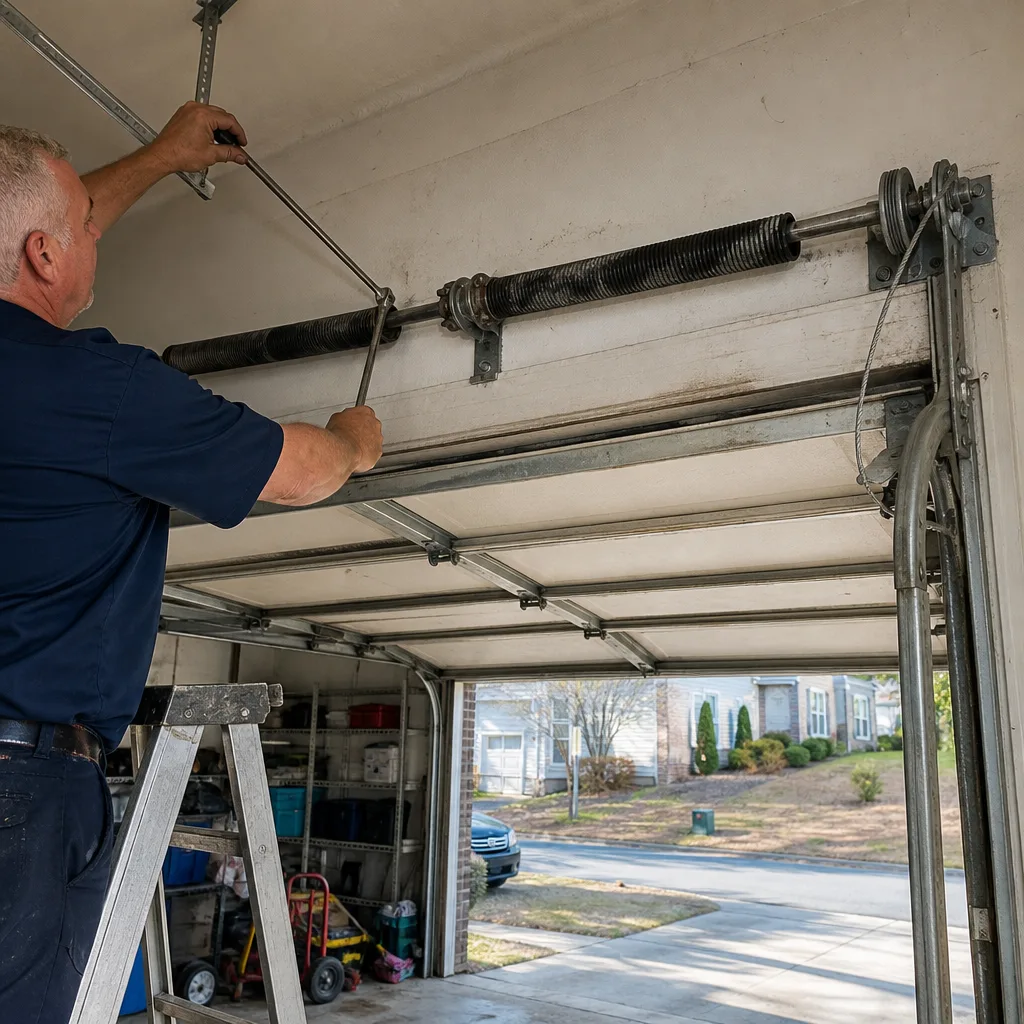 Before
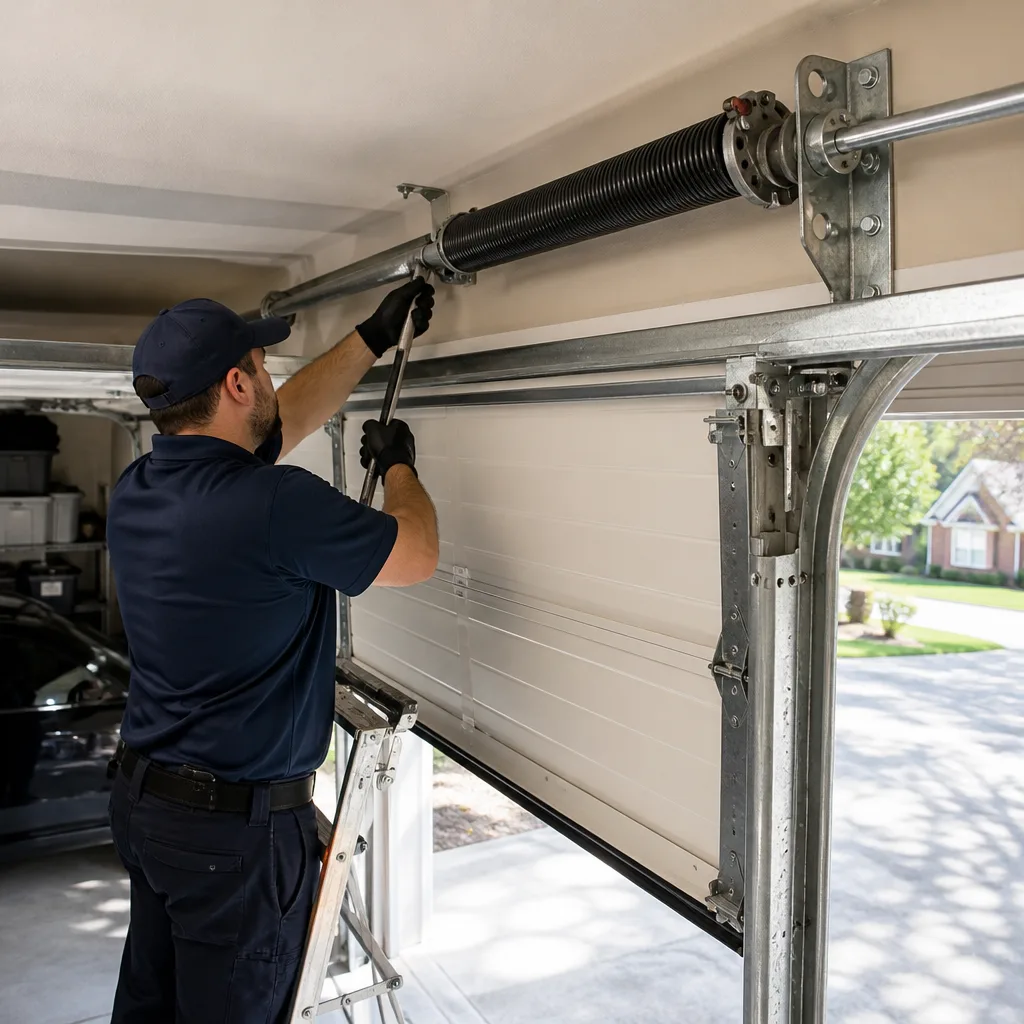 After
After Before
 After
After Before
 After
After